
Bodywork
Can Chassis Damage Be Repaired?
Usually yes, and the important word is repaired. A modern car body is engineered to deform in a designed sequence during an impact, so a real repair means returning it to factory measurements rather than making it look straight.
What this guide covers
What the Chassis Actually Is Now
Very few modern cars have a separate ladder chassis. Almost all are unibody, where the shell itself is the structure.
That structure is not uniformly strong by design. It contains crumple zones engineered to fold in a controlled way, and a rigid safety cell around the occupants that is meant not to.
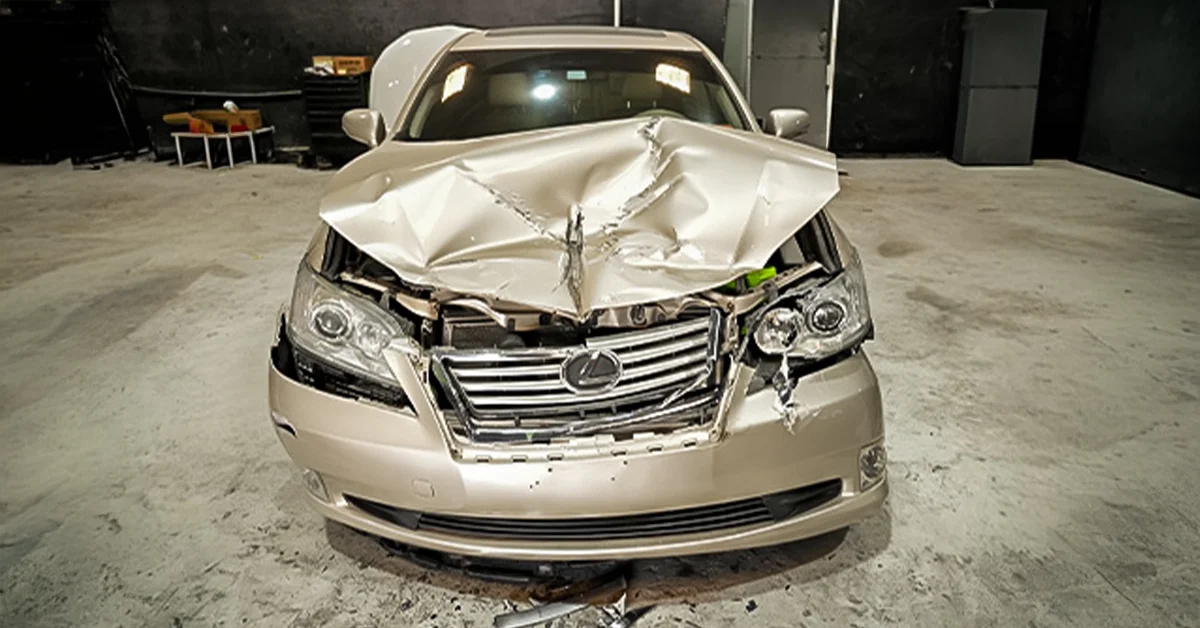
So an impact that deforms the front of a car is frequently the car doing exactly what it was designed to do.
What matters afterwards is whether the structure has been returned to the geometry the engineers specified, because that is what determines how it behaves next time.
What Repair Actually Involves
- Measure first. The car goes on a jig or bench and is measured against manufacturer data at many reference points.
- Compare to factory specification. That produces a report showing exactly where and how far the structure is out.
- Pull under controlled tension. Hydraulic rams draw the structure back gradually, in the reverse order to how it deformed.
- Replace what cannot be pulled. Sections that are folded, torn or have lost their properties are cut out and replaced with new panels.
- Measure again to confirm the structure is back within tolerance.
- Check the mechanical systems, since suspension mounting points, steering geometry and driveline alignment all sit on that structure.
- Full four wheel alignment, which will not hold if the structure is not right.
The measurement report is the single most useful thing to ask for. A workshop that measures before and after has evidence the car is back to specification. One that cannot produce numbers straightened it by eye, which is a different thing entirely.
What Cannot Simply Be Pulled Straight
Not all structural metal behaves the same way, and this is where an honest repairer draws lines.
- High-strength and ultra-high-strength steels are used in the safety cell precisely because they resist deformation. Once they have deformed, their properties have changed and heating or pulling them does not restore that. Manufacturers specify replacement rather than repair for many of these sections.
- Aluminium structures, common on premium cars, work-harden and crack rather than stretching back. They need specific techniques and often dedicated equipment.
- Composite and bonded sections follow manufacturer procedures rather than general practice.
A workshop that treats every structure as pullable steel is not doing the job the manufacturer specified.
Signs a Car Has Been Badly Repaired
Worth knowing whether you are buying a used car or assessing your own after work elsewhere.
- Uneven panel gaps. Compare left to right. Factory gaps are consistent.
- Doors that do not close cleanly, or need a push.
- Uneven tyre wear that returns after every alignment.
- An alignment that will not hold, which is a strong indicator the structure is still out.
- The car pulling or crabbing, where it tracks slightly sideways to its own direction.
- Paint texture or colour differences under bright light, or overspray in the engine bay and door shuts.
- Fresh underseal in one area only, which can hide repair work.
A pre-purchase inspection catches most of these. See the pre-purchase inspection checklist.
When a Car Should Not Be Repaired
This is the part a good bodyshop will tell you and a poor one will not.
There are cases where repair is technically possible and not the right answer.
- Damage extending into the safety cell around the occupants, rather than the crumple zones ahead of it.
- Multiple structural areas compromised at once.
- Repair cost approaching or exceeding the value of the car.
- Structures the manufacturer specifies as non-repairable.
Exotic Auto Services will say plainly when a car is not worth repairing structurally. That conversation is worth more than a quote.
Does It Affect Value and Insurance?
A recorded structural repair does affect resale value, and being straight about that is fairer than pretending otherwise.
What reduces the impact is documentation: a measurement report showing the car was returned to factory specification, and a record of what was replaced rather than pulled.
A properly documented repair is a far easier sale than an undocumented one, and it is also what protects you if the history surfaces later.
See chassis repair and accident repair.
Frequently Asked Questions
Can chassis damage be repaired properly?
Most of it can, and repaired should mean returned to factory measurements on a jig rather than made to look straight. The car is measured against manufacturer data at many reference points, pulled under controlled tension in the reverse order to how it deformed, then measured again to confirm it is within tolerance.
How do I know a chassis repair was done correctly?
Ask for the measurement report from before and after the work. A workshop with jig data has evidence the structure is back to specification. One that cannot produce numbers straightened the car by eye. Beyond that, check panel gaps left against right, and whether an alignment holds.
Is a car with repaired chassis damage safe?
It can be, provided it was returned to factory geometry and the sections the manufacturer specifies as non-repairable were replaced rather than pulled. High-strength steels lose their properties once deformed, so heating and pulling them does not restore what made them protective in the first place.
What are the signs of a badly repaired car?
Uneven panel gaps compared left to right, doors that need a push to close, tyre wear that returns after every alignment, an alignment that will not hold, and the car crabbing slightly sideways to its own direction. Overspray in the engine bay or door shuts, and fresh underseal in one area only, are others.
Does chassis repair affect resale value?
Yes, a recorded structural repair does affect value. What reduces the impact is documentation: a before and after measurement report showing the car was returned to factory specification, and a clear record of what was replaced rather than pulled. A documented repair is considerably easier to sell than an undocumented one.
