BMW
BMW Transmission Problems: What Actually Goes Wrong
The gearbox in most modern BMWs is one of the best automatics ever built, and it is let down mainly by a fluid it is told it does not need. Almost everything expensive we see on these gearboxes traces back to that one claim.
What this guide covers
The Lifetime Fluid Question
BMW describes the fluid in the eight-speed automatic as filled for life, and that phrase does a great deal of damage.
Filled for life describes a design life defined by the manufacturer, generally aligned to a warranty period, not the life of a car that may run for fifteen years in a hot climate.
Heat is what degrades transmission fluid, and Abu Dhabi supplies more of it than the calculation assumed.
A fluid and filter service at a sensible interval transforms shift quality on a high-mileage car and is genuinely the cheapest work available on this gearbox.
The gearbox itself is excellent. Nearly every serious ZF failure we see arrives on a car where the fluid was never changed because the owner was told it never needed to be.
The Mechatronic Sleeve
This is the specific BMW item worth knowing by name.
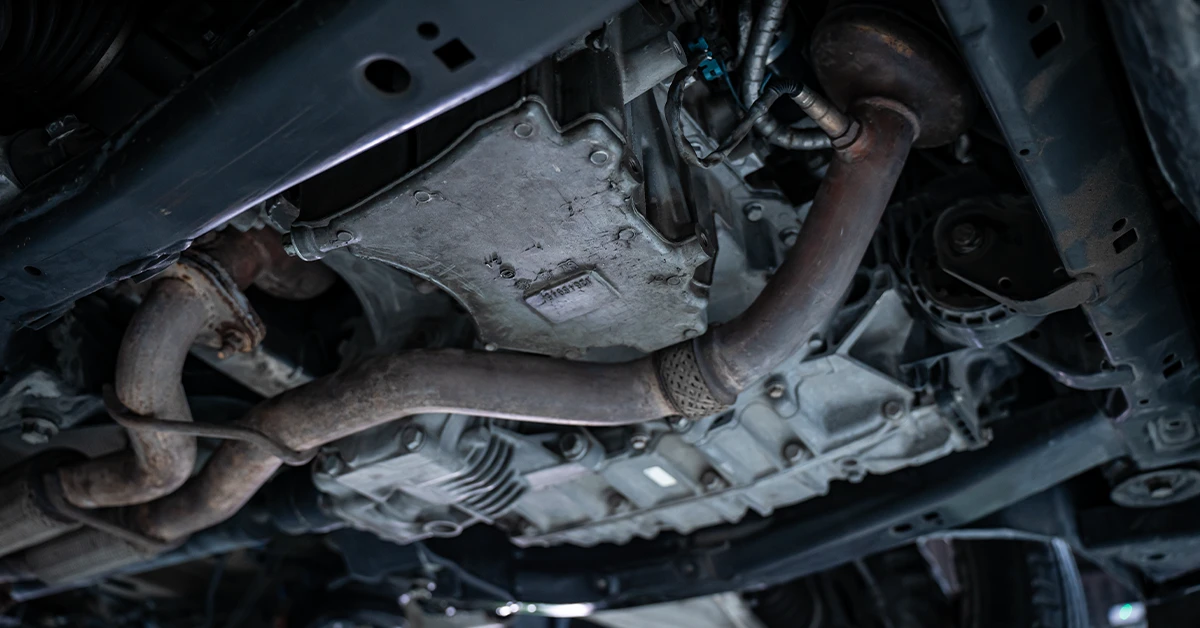
The wiring passes into the gearbox through an adapter sleeve sealed with rubber. That rubber hardens with heat and age, and the sleeve leaks.
Two things follow. The fluid level drops gradually, and the leak can affect the electrical connection into the control unit.
The symptoms are usually a slow reduction in shift quality, sometimes a stored fault, and reddish fluid appearing around the gearbox.
It is a known part with a known failure, and it is far cheaper to address as a sleeve than as a mechatronic unit.
Torque Converter Shudder
A fine shimmer at light throttle, usually around the point the converter locks up, often described as driving over a rumble strip.
Caught early, this is frequently resolved by a correct fluid service. Left alone, the lock-up clutch material continues to break down and contaminates the fluid, which makes it a mechanical repair.
This is the clearest example of why acting on transmission symptoms early is worth so much.
Harsh or Delayed Shifts
Frequently not mechanical, which is worth knowing before anyone quotes a gearbox.
- Lost adaptation. The gearbox learns how its clutches behave and keeps adapting. After a battery change or repair that learning can be wrong until reset.
- Valve body wear. Gives delayed engagement and flare between shifts, and is repairable as a unit.
- Solenoid faults. These report specifically.
- Low system voltage. A weak battery makes control units behave oddly, gearbox included.
Resetting adaptation costs nothing and resolves a real share of these. See BMW gearbox repair.
The DCT on M Models
The dual clutch fitted to some M cars is a different machine and should not be judged by automatic standards.
A slight hesitation pulling away and in crawling traffic is characteristic rather than a fault. It is two automated manual gearboxes deciding whether to slip a clutch or engage.
What is not characteristic is judder, slipping or a warning. Those point at clutch condition or lost adaptation, and clutch wear is readable as a figure rather than estimated.
The DCT also has a scheduled oil service, and heat here makes it matter more than the interval implies.
xDrive: The Part Nobody Services
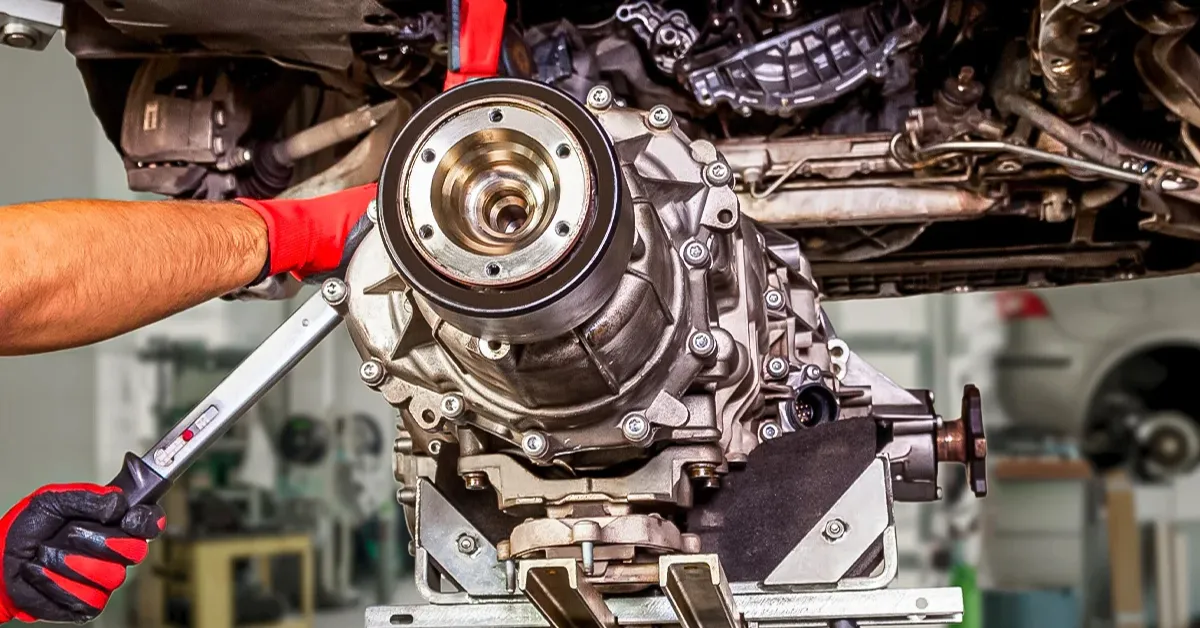
On all-wheel-drive models the transfer case has its own oil, on its own interval, and it is not part of a standard service.
It is skipped more often than anything else on these cars, and neglect is how a transfer case gets replaced rather than serviced.
If your BMW is an xDrive, asking when the transfer case oil was last done is a genuinely useful question.
Keeping It Out of Trouble
- Service the fluid and filter at a sensible interval regardless of what filled-for-life implies.
- Act on shudder early, while it is still a fluid problem.
- Have the sleeve checked if you see reddish fluid or shift quality is drifting.
- Reset adaptation after any related work, including battery replacement.
- Do the transfer case oil on xDrive models.
- Keep the battery healthy. Low voltage causes gearbox faults that look mechanical.
For running costs generally, see our BMW service cost guide.
Frequently Asked Questions
Does a BMW automatic gearbox really need a fluid change?
Yes, despite the filled-for-life description. That phrase refers to a design life aligned with a warranty period rather than the life of a car running for many years in a hot climate. Heat is what degrades the fluid, and a fluid and filter service is the cheapest work available on that gearbox.
What is the mechatronic sleeve and why does it leak?
It is the adapter that carries wiring into the gearbox, sealed with rubber that hardens with heat and age. When it leaks the fluid level drops gradually and the electrical connection into the control unit can be affected. It is a known part with a known failure, and far cheaper to address as a sleeve than as a mechatronic unit.
My BMW shudders at light throttle. What is it?
Usually the torque converter lock-up clutch beginning to slip, felt as a fine shimmer around 60 to 80 km/h. Caught early it is frequently resolved by a correct fluid service. Left alone the clutch material breaks down and contaminates the fluid, which turns it into a mechanical repair.
Is hesitation normal on a BMW DCT?
A slight hesitation pulling away and in crawling traffic is characteristic of a dual clutch rather than a fault, because it is constantly deciding whether to slip a clutch or engage. Judder, slipping or a warning light is not characteristic, and clutch wear on these can be read as a figure rather than estimated.
Does my xDrive need a transfer case service?
Yes, and it is the most commonly skipped item on these cars. The transfer case carries its own oil on its own interval and is not included in a standard service. Neglecting it is how a transfer case ends up being replaced instead of serviced, so it is worth asking when yours was last done.