Glass
Can Windscreen Chips Be Repaired?
Most small chips can be repaired, and the window for doing so is shorter here than almost anywhere. Heat is what turns a repairable chip into a replacement windscreen, and the most common trigger is something drivers do to themselves every day.
What this guide covers
What Makes a Chip Repairable
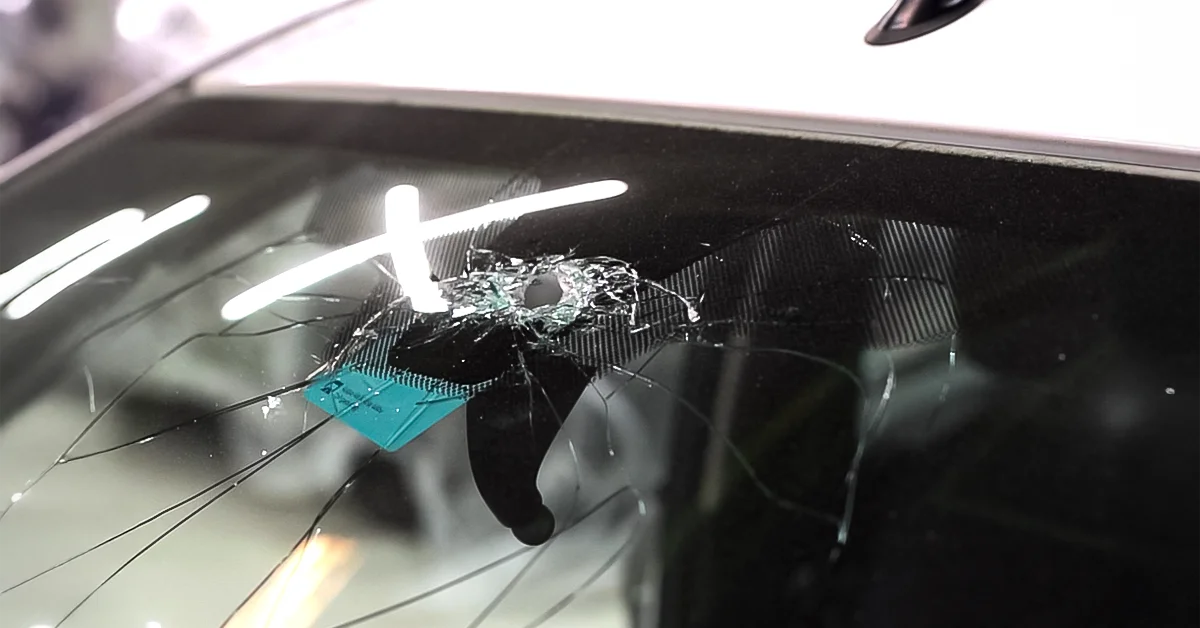
A windscreen is laminated: two layers of glass bonded to a plastic interlayer. A chip damages the outer layer, and repair means injecting resin into that void, curing it, and restoring structural integrity and clarity.
The usual guidance is that a chip is repairable when it meets these conditions.
- Smaller than a coin, roughly.
- Not in the driver primary line of sight, since a repair leaves a slight blemish.
- Not at the edge of the glass, where the windscreen carries structural load.
- Only the outer layer damaged, not through to the interlayer.
- Clean and recent, since dirt and moisture in a chip reduce how well resin bonds.
That last condition is the one time works against, and it is why acting quickly matters beyond stopping it spreading.
Why Chips Spread So Fast Here
Glass expands and contracts with temperature, and a chip is a stress concentration point. Rapid temperature change is what drives a crack out from it.
Abu Dhabi provides that in a specific and very common way.
The most common cause of a chip becoming a crack here is getting into a hot car and pointing cold air conditioning straight at the windscreen. The outer surface is baking and the inner surface is being chilled rapidly, and the stress across the glass does the rest.
The fix is simple: open the windows for a minute first, start with the air conditioning on a moderate setting, and direct it away from the screen until the cabin has come down.
Other triggers worth knowing: cold water on a hot windscreen when washing, slamming doors with the windows fully closed, which pressurises the cabin, and speed bumps taken hard, which flexes the body.
When It Has to Be Replaced
- Any crack longer than a few centimetres.
- Damage in the driver primary viewing area, since repairs leave a mark.
- Damage reaching the edge of the glass, which compromises structural strength.
- Multiple chips close together, which weakens an area rather than a point.
- Damage through to the inner layer.
- Anything that has already been repaired and spread.
A cracked windscreen in the line of sight is also an inspection failure point, which matters if a transfer or registration is coming up. See transfer inspection requirements.
Why Repair Beats Replacement Where Possible
Beyond cost and time, there is a structural argument that is not widely known.
The windscreen is a structural component. It contributes to roof strength in a rollover and provides a backing surface for the passenger airbag to deploy against.
The factory bonding of the original glass, done in controlled conditions, is the strongest that windscreen will ever be attached.
A properly replaced screen is entirely safe. Keeping the original where a repair is viable is still the better outcome.
If It Does Need Replacing
- Check whether the car has camera-based driver assistance. Many modern cars mount a forward camera on the windscreen.
- That camera must be recalibrated after the glass is replaced, or lane keeping and automatic braking may read the road incorrectly.
- Ask whether recalibration is included and how it is done. This is not optional on an equipped car.
- Ask about the glass. Original, OEM equivalent or aftermarket, and whether it has the same tint band, acoustic layer and heating elements.
- Respect the adhesive cure time. There is a minimum period before the car should be driven, and it exists for structural reasons.
The recalibration point is the one most likely to be skipped and the one with the clearest safety consequence.
What to Do With a Fresh Chip
- Cover it with clear tape to keep dirt and moisture out until it is repaired.
- Avoid thermal shock. No cold air straight onto a hot screen, no cold water on a hot screen.
- Avoid rough roads and hard door slams where you can.
- Get it looked at quickly, because repairability declines with time as well as size.
Exotic Auto Services in Musaffah will tell you honestly whether a chip is repairable or whether the glass needs replacing. See side and rear glass repair.
Frequently Asked Questions
Can a windscreen chip be repaired?
Usually, if it is smaller than about a coin, not in the driver primary line of sight, not at the edge of the glass, and has only damaged the outer layer. Repair involves injecting resin into the void and curing it, which restores strength and clarity while keeping the original factory-bonded glass.
Why do windscreen chips spread so quickly in the UAE?
Thermal shock. Glass expands and contracts with temperature and a chip is a stress point, so rapid temperature change drives a crack out from it. The most common cause is getting into a hot car and pointing cold air conditioning straight at a windscreen that has been baking in the sun.
How do I stop a chip turning into a crack?
Avoid thermal shock: ventilate the car for a minute before using the air conditioning, start it moderate, and direct it away from the screen until the cabin cools. Do not put cold water on a hot windscreen. Cover the chip with clear tape to keep dirt out, and have it repaired promptly.
When does a windscreen have to be replaced instead of repaired?
When the crack is longer than a few centimetres, when the damage is in the driver primary viewing area since a repair leaves a slight mark, when it reaches the edge of the glass where the screen carries structural load, when there are multiple chips close together, or when damage goes through to the inner layer.
Does a new windscreen need anything else done?
On cars with camera-based driver assistance, yes. Many modern cars mount a forward-facing camera on the windscreen, and it must be recalibrated after replacement or lane keeping and automatic braking can read the road incorrectly. Ask whether recalibration is included before booking.