Glass
Car Window Glass Repair and Replacement
Side and rear windows are a different material from a windscreen, and it changes everything about what can be done with them. Tempered glass cannot be repaired, because when it fails it does not crack, it disintegrates.

What this guide covers
Two Different Materials
This is the fact everything else follows from.
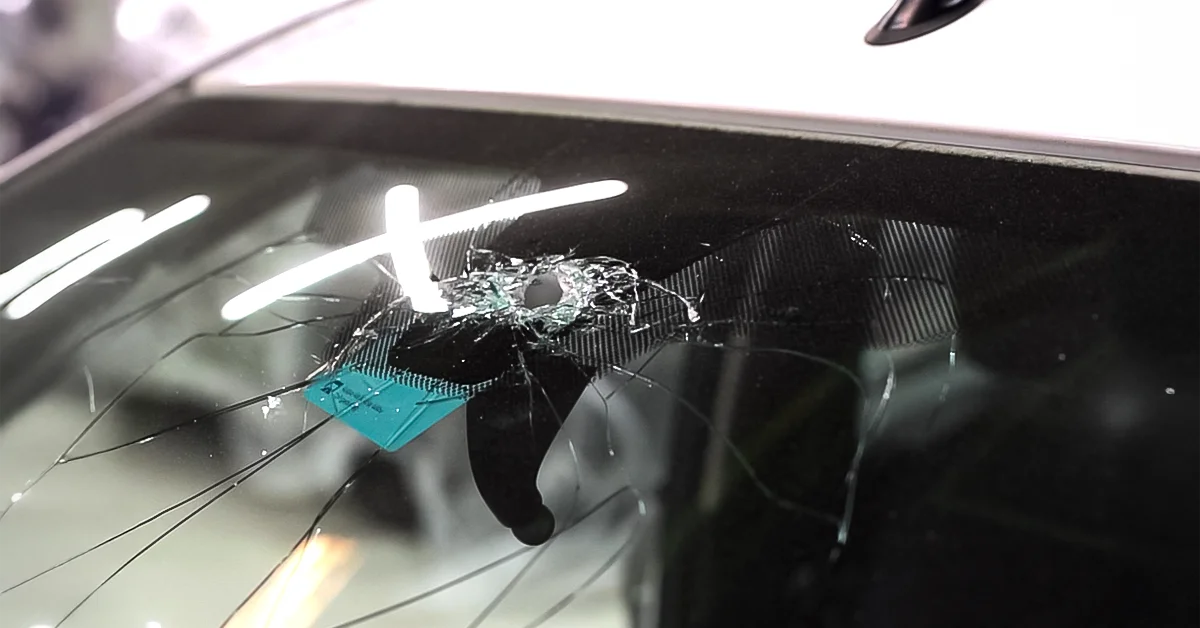
A windscreen is laminated: two layers of glass bonded to a plastic interlayer. When it is struck it cracks and the layers hold together, which is why a chip stays a chip and can be repaired.
A side window is tempered: heat-treated so it is under internal stress. When it fails, that stress releases all at once and the entire pane disintegrates into small blunt granules.
That is deliberate. Blunt granules are far safer in an impact than large sharp shards, and a tempered window can be broken to escape a vehicle.
It also means there is no such thing as repairing a chip in side glass. There is no partial failure state to repair. If it is damaged it is replaced, and if it has failed there is nothing left to work with.
When Side Glass Breaks
Replacing the pane is the visible part of the job and not the whole of it.
- Clear the door cavity. Granules fall inside the door, and they interfere with the regulator and block drain holes.
- Check the drain holes. Blocked drains mean water sits in the door, which corrodes it from the inside.
- Inspect the regulator and run channels, since glass fragments damage them.
- Check the weather seals.
- Fit the new glass and align it so it seals correctly against the frame.
- Reset the window if the car has one-touch or anti-pinch, which needs the position relearned.
That first step is the one most often rushed, and glass left inside a door reappears as rattles and eventually as a failed regulator.
The last step matters on modern cars: without the relearn, one-touch and anti-pinch will not work correctly.
A Window That Will Not Move
Very often not a glass problem at all.
- The regulator. The mechanism raising the glass. On cable types the cable frays or jumps its guide, which is the most common failure.
- The motor. Less common than the regulator and it does happen.
- The switch, which is cheap to test and easy to rule out.
- The run channels. Dry, dirty or perished channels make the glass bind, and heat and sand here accelerate that.
- A blown fuse or a wiring fault in the door loom, which flexes every time the door opens.
A window that moves slowly or unevenly, or makes a grinding noise, is usually giving warning before it fails completely. Acting then avoids a window stuck down.
Rear Screens and Demisters
A rear screen is usually tempered like side glass, with heating elements printed onto the inside surface.
Those elements are fragile, and the most common damage is not from impact but from scraping something across the inside of the glass, or from an aggressive interior clean.
A single broken element leaves a clear stripe that does not demist, and it can often be repaired with conductive paint rather than replacing the whole screen.
If the whole screen fails to heat, that is more likely the supply, a connector or the relay than the elements themselves.
Tint, and What Replacement Means for It
Worth planning for rather than discovering.
Aftermarket tint is a film applied to the inside of the glass, so replacing the glass means the tint goes with it.
Factory-tinted glass is coloured through the material and is not a film, which means a replacement pane needs to match.
If you have aftermarket tint, budget for re-tinting the new pane and matching it to the rest of the car, and make sure it stays within the legal limit.
See window tinting.
What This Climate Does to Glass and Mechanisms
- Heat and UV perish the rubber run channels, which makes glass bind and strains the regulator.
- Sand in the channels acts as an abrasive on both the seal and the glass edge.
- Blocked door drains from dust are common and cause corrosion inside the door.
- Thermal stress is why a damaged windscreen spreads quickly here.
Cleaning the run channels occasionally and keeping the drains clear is genuinely preventive, and both take minutes.
Exotic Auto Services in Musaffah handles glass, regulators and the door work that goes with them. See windscreen chips.
Frequently Asked Questions
Can a chip in a side window be repaired?
No. Side windows are tempered rather than laminated, meaning the glass is heat-treated and under internal stress. There is no partial failure state to repair: it is either intact or it has disintegrated into small blunt granules. Damaged side glass is replaced rather than repaired.
Why does a side window shatter into small pieces?
Because it is designed to. Tempered glass is heat-treated so that when it fails the stored stress releases at once and the pane breaks into small blunt granules rather than large sharp shards. That is considerably safer in an impact, and it also means the window can be broken to escape a vehicle.
My window will not go up. Is the glass broken?
Usually not. The most common cause is the regulator, the mechanism that raises the glass, where on cable types the cable frays or jumps its guide. It can also be the motor, the switch, perished run channels making the glass bind, or a wiring fault in the door loom.
Can a broken rear demister line be fixed?
Often yes. A single broken element leaves a clear stripe that will not demist, and it can usually be repaired with conductive paint rather than replacing the screen. If the whole screen fails to heat, the cause is more likely the supply, a connector or the relay than the elements.
Will I lose my window tint if the glass is replaced?
If it is aftermarket tint, yes, because that is a film applied to the inside of the glass and it goes with the pane. Budget for re-tinting the new glass and matching it to the rest of the car, within the legal limit. Factory tint is coloured through the glass and needs a matching replacement pane instead.