Servicing
What an Oil Change Actually Changes
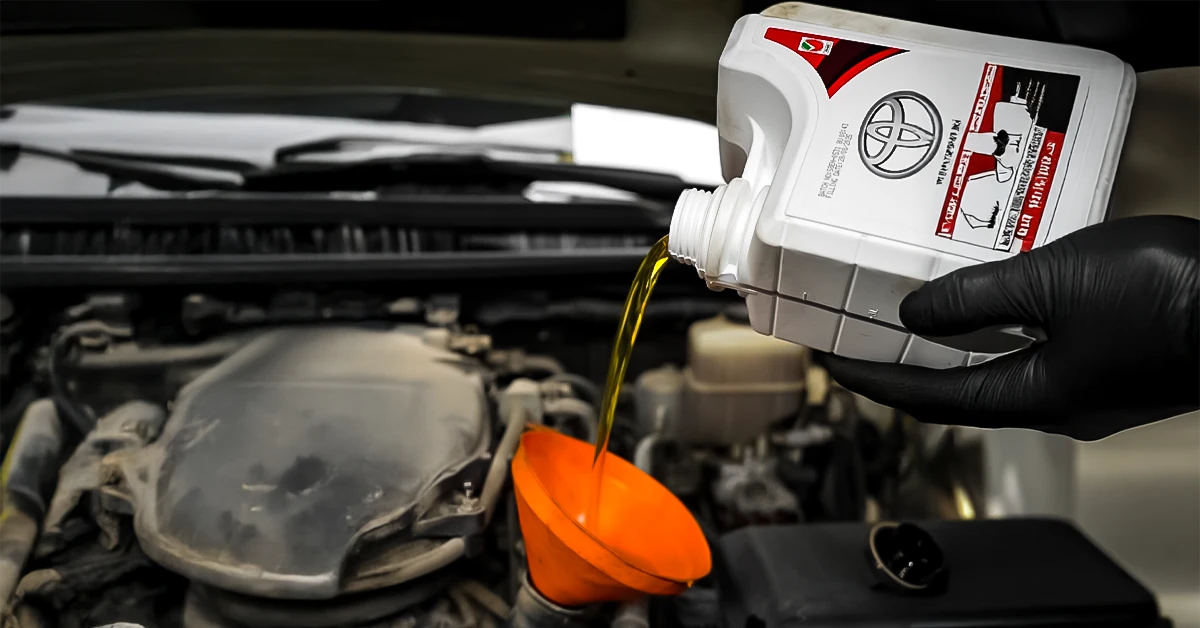
Fresh oil will not make a healthy engine faster. What it does is restore what degraded oil had quietly taken away, and on a car that is overdue that difference can be genuinely noticeable.

What this guide covers
The Honest Version
Plenty of servicing copy implies fresh oil unlocks performance. It does not.
An engine running healthy oil within its interval is producing what it was designed to produce. New oil does not add to that.
What actually happens is that degraded oil takes things away slowly enough that owners adapt without noticing, and fresh oil gives them back.
If a car feels noticeably better after an oil change, that is information: it was overdue.
What Degraded Oil Takes Away
Smoothness
Oil that has thickened with oxidation makes the engine work harder to move its own components.
Cold starts are the clearest example. Thick, aged oil takes longer to reach the top of the engine, and those first seconds are when most wear happens.
Throttle response
On engines with variable valve timing, the system is hydraulic and runs on oil pressure.
Dirty or degraded oil makes those units slower to respond, and the car feels less immediate without feeling faulty.
Economy
Internal friction costs fuel. It is not dramatic, but it is real and it accumulates over a tank.
A car with tired oil is spending a little more of every litre moving its own parts.
Quietness
Hydraulic tensioners and lifters depend on oil pressure. Aged oil makes them noisier, particularly on start-up.
The rattle some engines make for a second or two on a cold morning is frequently oil-related.
What You Will and Will Not Feel
Likely to notice
- A quieter engine, especially in the first seconds after starting.
- Slightly sharper throttle response on an engine with variable valve timing.
- Smoother idle if the old oil was well past its life.
- Less noise from tensioners on a cold start.
Will not notice
- More power. The engine makes what it makes.
- A dramatic change in economy. Real, but small.
- Any fix for a mechanical fault. Oil does not repair worn components.
- Anything at all, if the previous oil was still in good condition, which is the ideal outcome.
A workshop promising a noticeable performance gain from an oil change is either overselling or telling you the car was seriously overdue. Fresh oil on a well-maintained car should feel like nothing changed, and that is the point.
Where the Real Value Is
The benefit of an oil change is almost entirely in the future rather than the drive home.
- The turbocharger. Oil-cooled, spinning extremely fast. Degraded oil damages it before it damages the engine.
- Cylinder deactivation lifters. Hydraulic, and a documented failure point on engines run with dirty oil.
- Timing chain tensioners. Oil-pressure operated. Stretched intervals connect directly to chain rattle.
- Bearings. The slow wear that eventually decides an engine life.
- Seals. Acidic, degraded oil is harder on them than fresh oil is.
None of that is visible on the drive home, and all of it is the actual reason to do it.
Getting the Benefit
A few things separate an oil change that does its job from one that ticks a box.
- Correct specification, since the oil is also cooling the turbo and operating hydraulic components.
- New filter every time. An old filter with new oil is a compromise with no upside.
- Correct level. Overfilling raises crankcase pressure and pushes oil past seals.
- Sensible interval for this climate, rather than a long-life regime calculated elsewhere.
For why the interval matters so much here, see why oil changes matter more in Abu Dhabi.
Exotic Auto Services will tell you honestly whether your old oil was in poor condition, because that is more useful than a promise about how the car will feel.
Frequently Asked Questions
Does an oil change improve performance?
Not on a healthy engine that was serviced on time. What it does is restore smoothness, throttle response and economy that degraded oil had gradually removed. If you notice a clear improvement afterwards, the honest interpretation is that the car was overdue rather than that the new oil is doing something extra.
Will my car feel faster after an oil change?
It should not, and that is a good sign. An engine produces what it was designed to produce, and fresh oil does not add to it. You may notice a quieter engine and slightly sharper response, particularly on engines with variable valve timing, but power is not something an oil change creates.
Will an oil change improve fuel economy?
Slightly, and mostly by removing friction that aged oil had added. The effect is real but small, and anyone promising a dramatic economy gain from an oil change is overselling it. The meaningful savings come from what does not fail later.
Can an oil change fix a rough idle or a knocking noise?
It can help if the cause is oil-related, such as hydraulic lifters or timing chain tensioners running on degraded oil, and a start-up rattle sometimes improves noticeably. It will not fix mechanical wear, and if a noise persists after fresh oil then it needs diagnosing rather than more oil changes.
Is expensive oil worth it?
The right question is whether the oil meets the manufacturer approval for your engine, not what it costs. Above that bar, a more expensive oil is unlikely to transform anything. Below it, a cheap oil on a turbocharged engine is the most expensive saving available.