Transmission
How to Check Automatic Transmission Fluid
Automatic transmission fluid is checked in almost the opposite way to engine oil: engine running, gearbox warm, car in park and level. Get that wrong and the reading is meaningless, which is how people end up overfilling a perfectly healthy gearbox.

What this guide covers
Why the Procedure Is Different
Engine oil is checked cold with the engine off, because you want it all to have drained back into the sump.
Automatic transmission fluid is the opposite. It fills a torque converter, a valve body and cooler lines while running, and it expands significantly as it warms.
Check it cold, or with the engine off, and a large part of the fluid is sitting somewhere the dipstick cannot see. The reading looks low, someone tops it up, and now the gearbox is overfilled.
Overfilling is not harmless. Excess fluid gets churned into foam, and foam does not transmit pressure, which is exactly the problem being avoided.
The Correct Procedure
- Warm the gearbox by driving normally for ten to fifteen minutes.
- Park on genuinely level ground. A slope alone can move the reading noticeably.
- Leave the engine running. Unless the dipstick says otherwise, this is the standard.
- With your foot on the brake, move through the gear positions, pausing briefly in each, then return to park.
- Withdraw the dipstick, wipe it, reinsert fully, withdraw again and read it.
- Read against the hot markings, not the cold ones. Most dipsticks have both.
Some cars specify neutral rather than park, and a few genuinely do want the engine off. The dipstick itself usually states the correct method. If it says something different from the above, the dipstick wins.
What the Colour Tells You
This is more useful than the level for most owners, because a healthy gearbox does not consume fluid.
- Bright red, translucent. Healthy.
- Darker red or light brown. Aged. Due a service, not an emergency.
- Dark brown or black. Heat-degraded and overdue.
- Smells burnt. Heat has already damaged the friction material inside.
- Milky or pink. Coolant contamination, usually from the cooler in the radiator. Urgent.
- Metallic glitter on the dipstick. Internal wear. Have it looked at.
Wiping the dipstick on a white cloth or paper towel shows the true colour, which is hard to judge on the stick itself.
If There Is No Dipstick
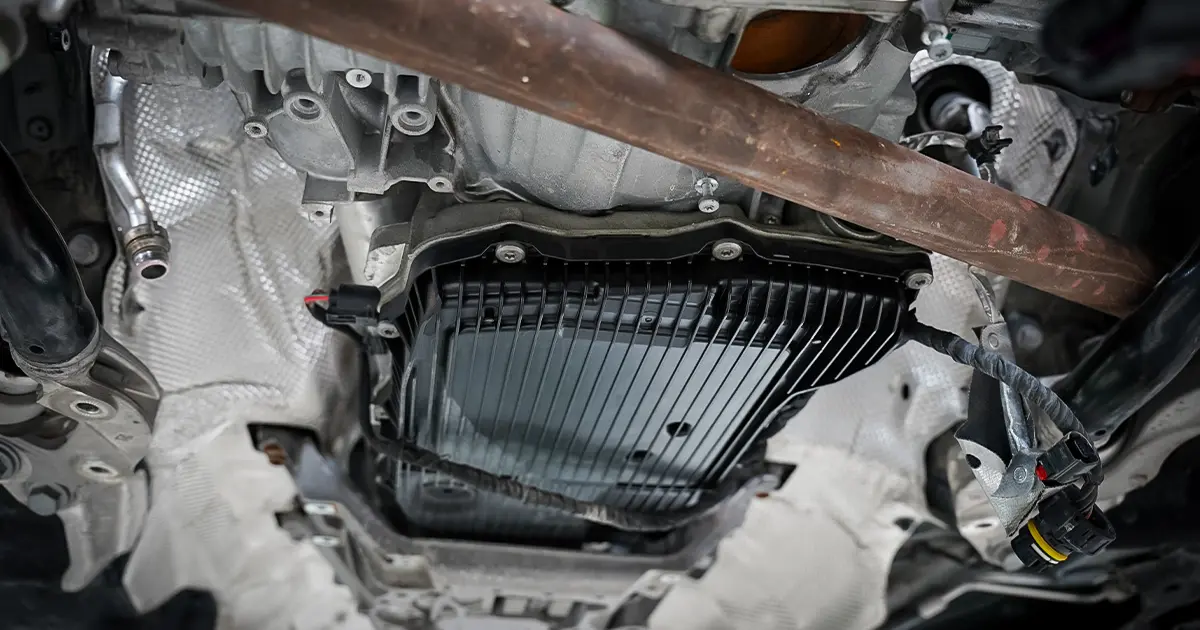
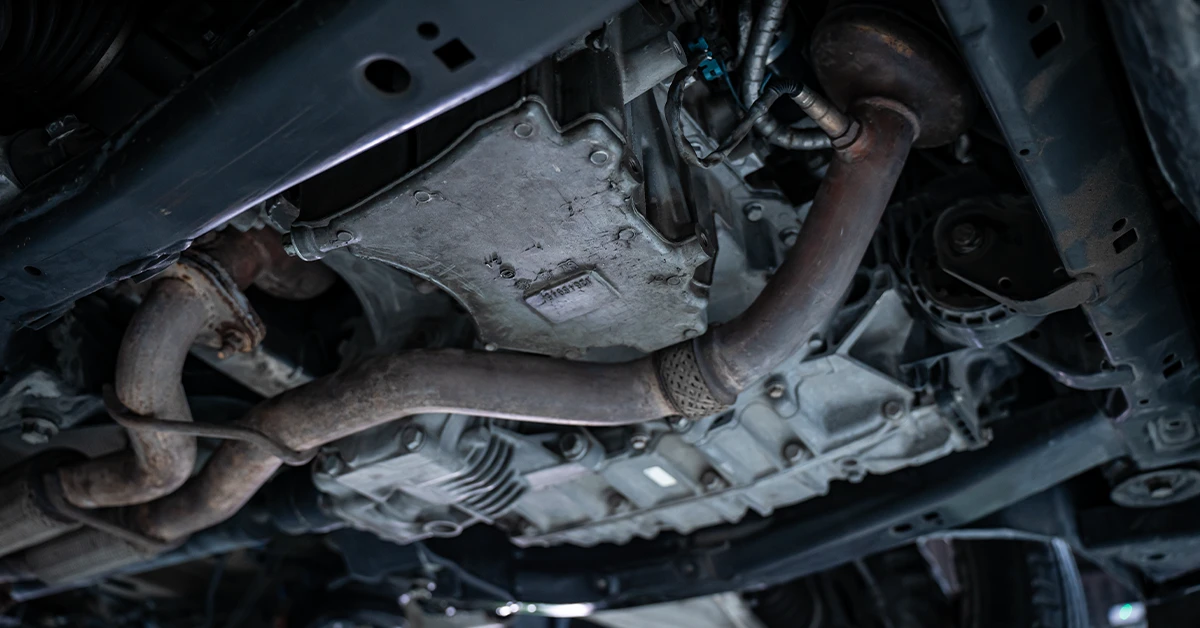
A large share of modern cars have no transmission dipstick at all, and this is where most guides simply stop.
On these gearboxes the level is set through a fill plug on the side, with the fluid at a specified temperature, monitored live with diagnostic equipment.
Too cold and it overfills. Too hot and it underfills. The temperature window is genuinely narrow, which is why it is a workshop procedure rather than a driveway one.
The absence of a dipstick is a design decision, not evidence that the fluid lasts forever or never needs checking.
What to Do If It Is Low
A gearbox does not consume fluid. If the level is low, it is leaking.
- Look underneath for reddish fluid around the middle of the car.
- Top up only with the exact specification if you need to reach a workshop. These fluids are not interchangeable.
- Add small amounts and re-check. Overfilling causes its own problems.
- Have the leak traced rather than managing the level indefinitely.
See is it safe to drive with a transmission leak.
How Often to Check
On a car with a dipstick, every few months is sensible, and any time the gearbox behaves differently.
On a car without one, at each service is realistic, and that is a reasonable thing to ask for.
The more important question is when the fluid was last changed. Long-life describes a warranty period rather than the life of the car, and heat here degrades it faster than the schedule assumes.
Frequently Asked Questions
Should the engine be running when checking transmission fluid?
On most cars, yes, and the gearbox should be warm, in park, on level ground. Automatic fluid fills the torque converter and cooler lines while running and expands as it warms, so checking cold or with the engine off gives a falsely low reading. Some cars specify otherwise, and the dipstick usually says which.
What does the colour of transmission fluid mean?
Bright red and translucent is healthy. Darker red or light brown means aged and due a service. Dark brown or black means heat-degraded and overdue. A burnt smell means heat has already damaged the friction material inside, and milky or pink means coolant contamination, which is urgent.
My car has no transmission dipstick. How do I check the fluid?
You cannot do it reliably at home, and that is not a limitation of the guide. On sealed gearboxes the level is set through a side fill plug with the fluid held at a specified temperature, monitored live with diagnostic equipment. The window is narrow, so it is a workshop procedure.
Can you overfill an automatic transmission?
Yes, and it is as damaging as being low. Excess fluid gets churned into foam by the rotating components, and foam does not transmit hydraulic pressure. That causes exactly the slipping and pressure loss that being underfilled causes, which is why topping up should be done in small amounts with re-checks.
How often should transmission fluid be changed?
Sooner than long-life or filled-for-life wording implies, because those describe a warranty period rather than the life of the car. Heat is what degrades the fluid and this climate provides plenty. A fluid and filter service at a sensible interval is the cheapest transmission work available.