Brakes
Why Does My Car Shake When Braking?
Quick Summary
A car shakes when braking most often because of uneven brake rotors, worn brake pads, a stuck caliper, worn suspension parts or tyre problems. Damaged wheel bearings, worn engine mounts, out-of-round drums and ABS faults can also cause it. Driving is not advised until the cause is known. Any driver who feels shaking through the steering wheel, the pedal or the whole car should have the brakes and suspension checked.
Pressing the brake pedal should slow your car smoothly and safely. However, if you feel shaking, vibration, or steering wheel movement when slowing down, something may be wrong with the braking system.
What this guide covers
A car that shakes when braking can have several problems, including uneven brake rotors, worn brake pads, loose suspension parts, or tyre issues. The vibration may come through the steering wheel, brake pedal, or entire car.
Sometimes, the problem only appears when braking at high speeds. Ignoring these signs can lead to poor braking performance and further damage. Finding the cause early helps keep your car safe and prevents more expensive repairs.
Reasons Why Does Your Car Shake When Braking
1. Warped or Uneven Brake Rotors
Warped or uneven brake rotors are among the most common reasons a car shakes when braking. Brake rotors are metal discs connected to the wheels. When you press the brake pedal, the brake pads clamp against these discs to slow down the car.
Over time, heat and repeated braking can cause uneven rotor surfaces or thickness variation. This can make the brake pads apply pressure unevenly. As a result, you may feel vibrations through the steering wheel or brake pedal, especially when slowing down from higher speeds.
How Do You Know If Your Brake Rotors Are Damaged?
Damaged rotors can produce several warning signs. You may notice that the steering wheel shakes when braking, or the brake pedal pulses under your foot. In some cases, you may hear a scraping sound.
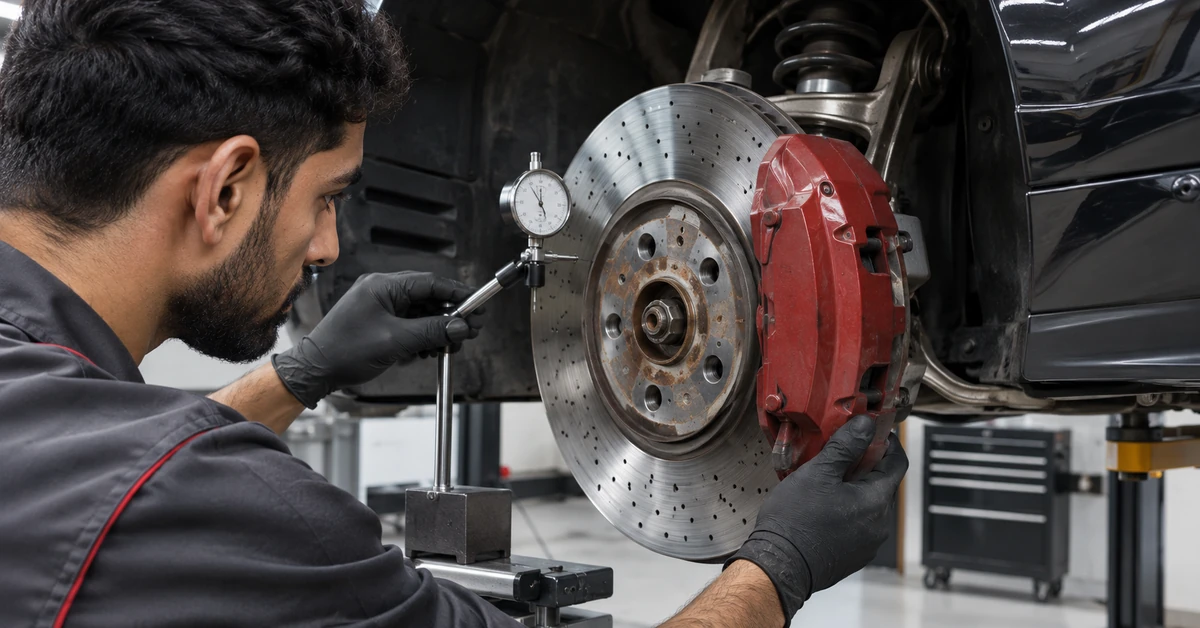
A mechanic can measure rotor thickness and check for surface damage using suitable tools. If the rotor is still within the manufacturer's thickness limit, resurfacing may be possible. However, badly worn or damaged discs need replacement.
2. Worn or Uneven Brake Pads
Brake pads create the friction needed to slow down your car. They gradually become thinner every time you use the brakes. If they wear unevenly, the braking force may not be the same across the rotor surface.
This can cause vibration, noise, and reduced braking performance. Uneven pad wear may happen because of a stuck brake caliper, damaged guide pins, or problems with the braking system. Replacing worn pads at the correct time helps prevent damage to other brake parts.
Common Signs of Worn Brake Pads
You may notice these symptoms when brake pads need attention:
- Squealing or grinding sounds while braking.
- Vibration when pressing the brake pedal.
- Reduced braking response.
- A brake warning light on the dashboard.
- Uneven pad thickness during inspection.
Do not wait until the brake pads are completely worn. If the metal backing plate starts touching the rotor, it can damage the disc and increase repair costs. A mechanic should inspect both pads and rotors before replacing any parts.
3. Stuck or Faulty Brake Calipers
Brake calipers hold the brake pads and press them against the rotors when you apply the brakes. They use hydraulic pressure from the brake fluid to create the force needed to stop the wheels.
If a caliper becomes stuck, it may keep pressing one brake pad against the rotor even after you release the pedal. This creates extra friction and heat. The affected wheel may slow down differently from the others, causing shaking or pulling during braking.
What Causes a Brake Caliper to Stick?
A brake caliper can become stuck because of corrosion, damaged seals, blocked hydraulic passages, or worn guide pins. Dust and moisture can also affect moving parts over time.
Common warning signs include:
- The car pulling towards one side while braking.
- A burning smell near one wheel.
- One wheel becoming much hotter than the others.
- Uneven brake pad wear.
- Poor fuel economy due to constant brake drag.
A stuck caliper needs prompt inspection. Depending on its condition, a mechanic may clean and service the guide pins or replace the damaged caliper.
4. Worn Suspension Components
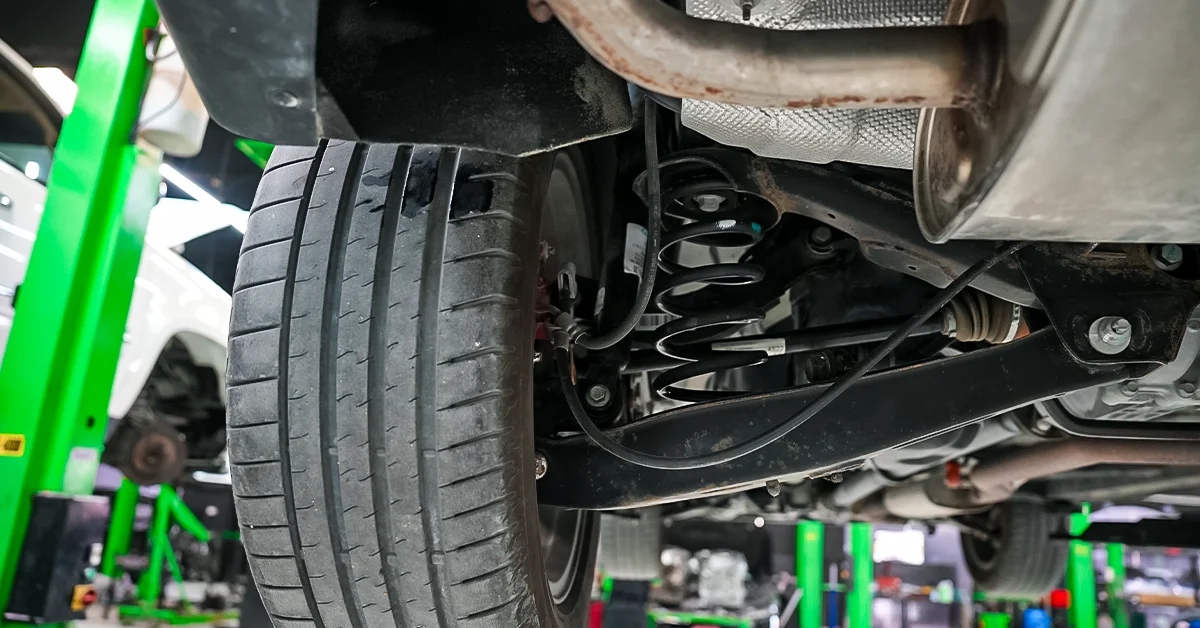
The suspension system helps keep your car stable and allows the tyres to maintain contact with the road. It includes parts such as control arms, ball joints, bushings, shocks and struts.
When these parts become loose or worn, the wheels may move more than they should during braking. This can cause the steering wheel to shake or the front of the car to feel unstable. Suspension faults may become more noticeable when braking at higher speeds or driving over uneven roads.
Suspension Parts That Can Cause Brake Vibration
Several suspension components can contribute to shaking:
Control arm bushings: These rubber parts absorb movement and reduce vibration. Worn bushings can allow the control arm to move excessively during braking.
Ball joints: They connect the control arms to the steering knuckles. Loose ball joints can affect wheel movement and vehicle stability.
Shocks and struts: These parts control suspension movement. Worn units can make the car bounce and feel unstable.
A mechanic should inspect these parts if brake-related shaking continues after checking the rotors and pads.
5. Tyre Problems and Wheel Imbalance
Tyres are the only parts of your car that make direct contact with the road. Their condition affects steering, braking, and vehicle stability. Uneven tyre wear, damaged sidewalls or incorrect pressure can create vibration that becomes more noticeable when slowing down.
Wheel imbalance is another possible cause. If the weight around a wheel is not distributed correctly, the steering wheel may shake at certain speeds. Although wheel imbalance usually causes vibration while driving, it can sometimes be mistaken for a braking problem.
How Can You Identify Tyre-Related Problems?
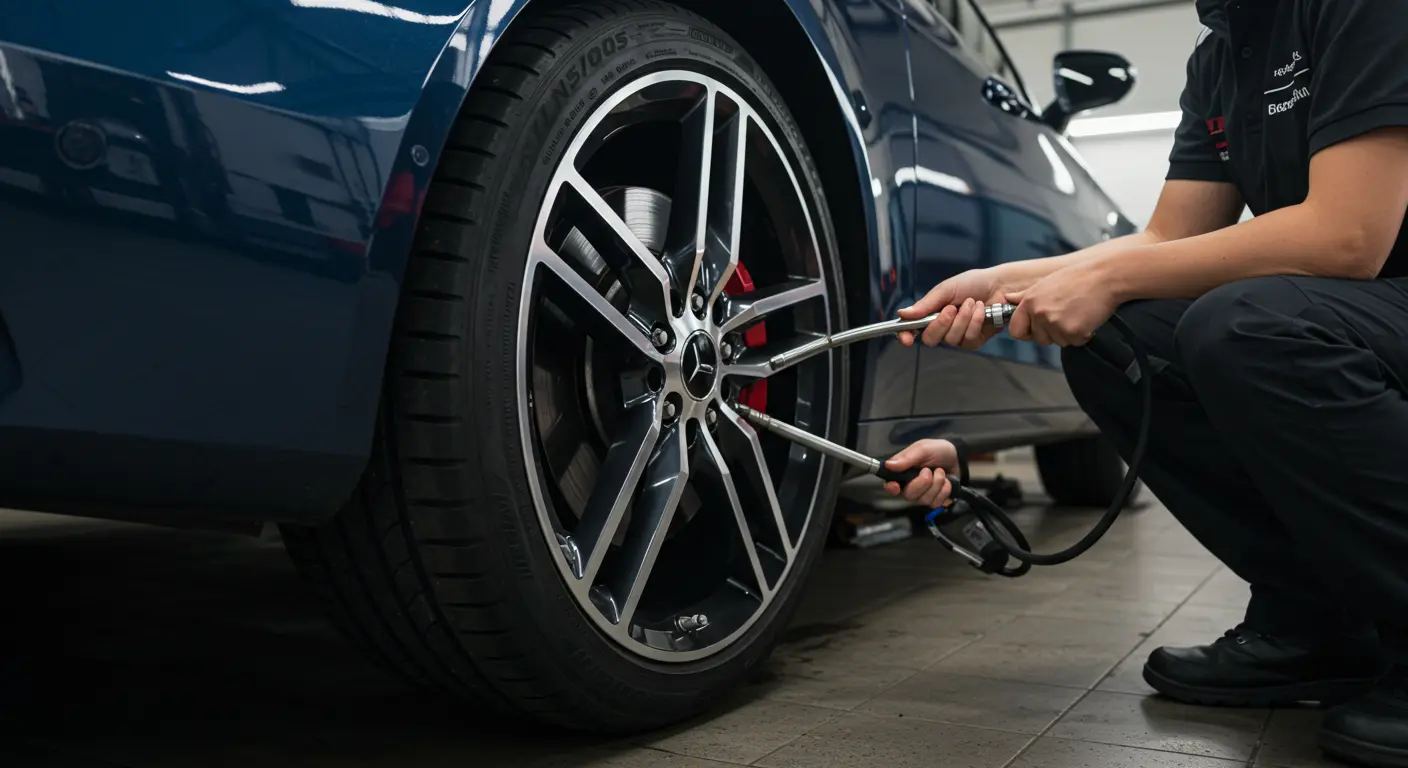
Check the tyres for uneven tread wear, cuts, bulges, and visible damage. Also make sure all four tyres have the pressure recommended by the manufacturer.
If the vibration happens even when you are not pressing the brake pedal, the problem may be related to wheel balance, tyres, or suspension. A wheel balancing check can help identify uneven weight distribution, while wheel alignment checks the angles at which the tyres meet the road.
6. Damaged Wheel Bearings
Wheel bearings allow the wheels to rotate smoothly with very little friction. They support the vehicle's weight and help maintain correct wheel movement.
When a wheel bearing becomes worn or damaged, it can create vibration, humming or grinding sounds. In some cases, the shaking may become more noticeable during braking because the damaged bearing cannot hold the wheel securely under changing loads.
Signs of a Faulty Wheel Bearing
A damaged wheel bearing may produce a humming or growling noise that changes with vehicle speed. You may also feel vibration through the steering wheel or floor.
Other signs include unusual tyre wear and looseness in the wheel. A mechanic can inspect the bearing for excessive movement, rough rotation, and unusual noise. A damaged bearing should be replaced because it can affect vehicle control and safety.
7. Worn Engine or Transmission Mounts
Engine and transmission mounts hold the engine and gearbox in place. They also reduce the vibrations that normally come from these components.
When a mount becomes weak or damaged, the engine and transmission may move more than they should. This movement can become noticeable when the car slows down or changes gears. You may feel shaking through the cabin, especially when braking at low speeds or coming to a complete stop.
A mechanic can inspect the mounts for cracks, worn rubber or excessive movement. Replacing damaged mounts can reduce unwanted vibration and protect nearby components from extra stress.
8. Brake Drums That Are Out of Round
Some cars use drum brakes on the rear wheels. These systems have brake shoes that press against the inside surface of a rotating drum to slow down the vehicle.
If a brake drum becomes uneven or develops an out-of-round shape, the brake shoes may not make smooth contact with its surface. This can cause pulsing or shaking when you apply the brakes.
Brake drum problems may result from heat, wear or incorrect installation. A mechanic can measure the drum and check whether it is within the manufacturer's limits. Depending on its condition, the drum may need machining or replacement.
9. ABS System Problems
The Anti-lock Braking System (ABS) helps prevent the wheels from locking during hard braking. It uses wheel speed sensors, an electronic control unit and a hydraulic control unit to manage brake pressure.
During emergency braking, you may feel a rapid pulsing sensation through the brake pedal. This is normal ABS operation. However, if the pedal vibrates during ordinary braking without a clear reason, the system may have a fault.
What Causes Unusual ABS Vibration?
A damaged wheel speed sensor, faulty wiring or incorrect sensor readings can affect ABS operation. Dirt around the sensor or damage to the tone ring can also cause problems.
If the ABS warning light stays on, have the system checked. A diagnostic scan can help identify stored fault codes. Do not ignore unusual brake pedal movement, especially if it happens during normal driving.
Why Does My Car Shake When Braking at High Speeds?
If your car shakes mainly when braking from high speeds, the problem may be related to brake rotor thickness variation, uneven brake pad contact or suspension wear.
At higher speeds, the wheels and brake system are working under greater loads. Even small differences in the rotor surface can create noticeable vibration when the brake pads make contact. Worn control arm bushings and loose steering parts can make the shaking feel worse.
A mechanic should inspect the front and rear braking systems, tyres and suspension. Avoid repeated high-speed braking until the problem has been checked, as the vibration may affect your ability to control the car.
Why Does My Car Shake When Braking at Low Speeds?
Shaking at low speeds can have different causes from vibration at highway speeds. You may notice the brake pedal pulsing as the car comes to a stop or feel the vehicle jerking during gentle braking.
Possible causes include uneven brake rotors, damaged brake drums, stuck calipers, and problems with ABS sensors. Worn engine or transmission mounts may also create vibration when the car slows down.
Pay attention to when the shaking happens. If it occurs just before the car stops, a mechanic should inspect the braking system and check for any unusual movement in the engine, gearbox, and suspension.
How to Fix a Car That Shakes When Braking
The correct repair depends on the part causing the vibration. Replacing brake pads will not solve the problem if the actual fault is a damaged rotor or loose suspension component.
A proper inspection helps prevent unnecessary repairs. The mechanic should test the braking system and check related parts before suggesting replacement work.
Common repair solutions include:
- Brake rotor replacement: New rotors may be needed if the old ones are too thin, cracked, or badly damaged.
- Brake pad replacement: Worn or uneven pads should be replaced with suitable parts.
- Caliper repair: Stuck guide pins, damaged seals, or faulty calipers need proper attention.
- Suspension repair: Worn bushings, ball joints, and other loose parts should be replaced.
- Wheel balancing: Corrects uneven weight distribution around the wheels.
- Wheel bearing replacement: Fixes vibration and noise caused by damaged bearings.
- ABS repair: Faulty sensors, wiring, or other system parts may need repair or replacement.
Always use parts that meet your car manufacturer's specifications.
Can You Drive a Car That Shakes When Braking?
Driving with brake vibration is not recommended until the cause is known. A minor issue, such as uneven rotor wear, may become worse over time. More serious problems, such as a faulty caliper or loose suspension component, can affect braking and steering control.
If the shaking is mild, arrange an inspection as soon as possible and avoid high speeds, sudden braking, and unnecessary journeys. However, stop driving if you notice severe vibration, grinding noises, a burning smell, brake fluid leakage, or a major change in braking response.
In these situations, arrange roadside assistance or have the car towed to a workshop. Your safety and the condition of the braking system should come first.
How to Prevent Brake Vibration in the Future?
Regular maintenance can help reduce the risk of brake problems. Brake pads, rotors, tyres, and suspension parts wear at different rates, so they should be checked during routine servicing.
Avoid hard braking unless necessary, as repeated heavy braking creates high temperatures that can increase brake wear. Allow the brakes to cool after demanding driving, especially when travelling down long slopes.
Other useful steps include:
- Check brake pads and rotors during regular inspections.
- Replace brake fluid according to the manufacturer's schedule.
- Maintain the correct tyre pressure.
- Check wheel alignment when you notice uneven tyre wear.
- Repair suspension faults before they affect other parts.
- Use quality brake parts designed for your car.
- Investigate unusual sounds and dashboard warnings early.
These habits help maintain smooth braking and reduce the chance of unexpected repair costs.
Frequently Asked Questions
Is it normal for the brake pedal to pulse during hard braking?
Yes, during emergency braking. A fast pulsing feeling through the pedal is the ABS working as it should. If the pedal vibrates during ordinary braking for no clear reason, the ABS may have a fault, such as a damaged wheel speed sensor or faulty wiring.
Can warped brake rotors be resurfaced?
Sometimes. A mechanic measures the rotor thickness and checks for surface damage. If the rotor is still within the manufacturer's thickness limit, resurfacing may be possible. Badly worn or damaged discs need to be replaced instead, because they are too thin or too damaged to save.
How do I know if a brake caliper is stuck?
Common signs are the car pulling to one side while braking, a burning smell near one wheel, and one wheel getting much hotter than the others. Uneven pad wear and poorer fuel economy from constant brake drag are other signs. A stuck caliper needs prompt inspection.
Can new brake pads stop my car shaking?
Only if the pads caused the shaking. New pads will not fix a damaged rotor, a stuck caliper or a loose suspension part. A mechanic should test the braking system and check related parts before replacing anything, which helps you avoid repairs you do not need.
Why does my steering wheel shake when I am not braking?
If the vibration happens without pressing the brake pedal, the cause may be wheel balance, tyres or suspension. Wheel imbalance can shake the steering wheel at certain speeds. A wheel balancing check finds uneven weight, and an alignment check looks at the angles where the tyres meet the road.
Conclusion
A car that shakes when braking should never be ignored. The most common causes include uneven brake rotors, worn brake pads, stuck calipers, damaged suspension parts and tyre problems. ABS faults and worn wheel bearings can also create unusual vibration.
The location and timing of the shaking can help identify the problem. For example, steering wheel vibration may point towards the front braking or suspension system, while pedal pulsing may indicate a brake-related issue. However, a proper inspection is needed to confirm the cause.
If your car shakes when braking, get its braking and suspension systems checked before the problem becomes worse. Regular servicing and timely repairs help maintain safe stopping performance.
Need professional help with brake vibration? Contact Exotic Auto Services in Musaffah, Abu Dhabi, for brake inspections, brake pad and rotor replacement, suspension checks and other car repair services. Our experienced mechanics can inspect your car, identify the cause of the shaking and recommend the right repair to help keep your car safe on the road.