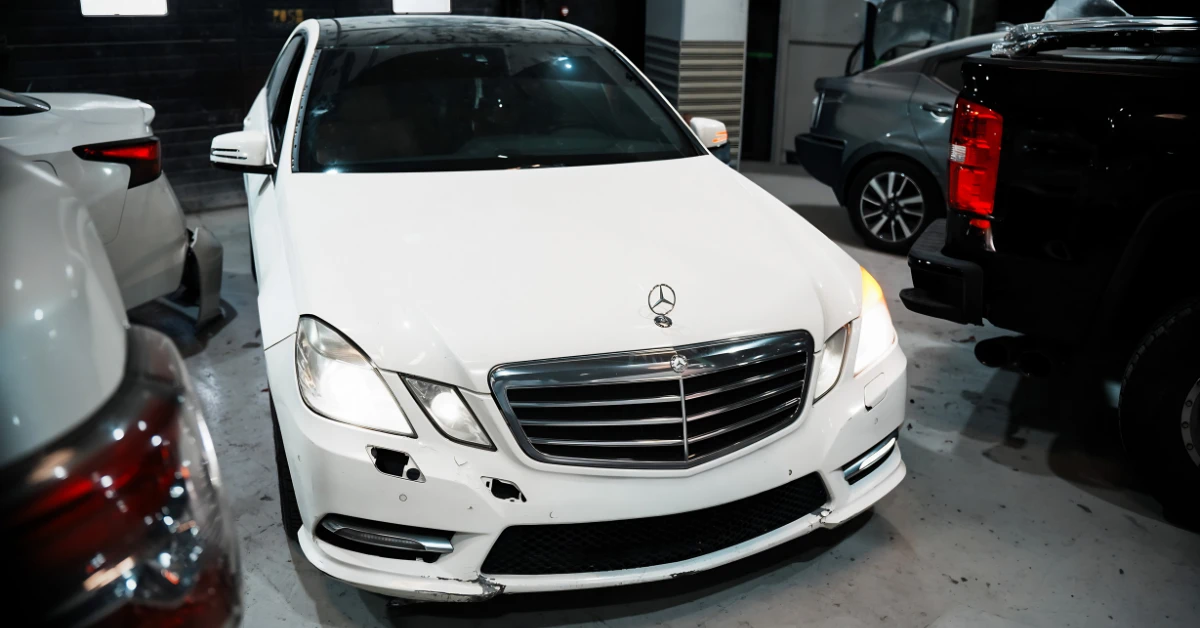
Mercedes-Benz vehicles are known for luxury, comfort, and advanced engineering. However, like every premium vehicle, they develop certain mechanical and electrical problems as they age. Recognizing these issues early helps prevent costly repairs and keeps your vehicle performing at its best.
The most common Mercedes-Benz problems include air suspension failure, transmission shifting issues, engine mount wear, and engine misfires. Electrical faults, oil and coolant leaks, and diesel emission system failures are also common in many models. Some vehicles may also develop infotainment system problems as they become older.
Regular inspections, factory-approved fluids, and professional diagnostics help fix these issues before they become major repairs. Following the correct maintenance schedule also improves reliability, safety, and long-term performance.
Open Today · Same-Day Appointments Available
Need expert car repair in Abu Dhabi?
Our certified technicians handle all makes and models. Fast diagnosis, honest pricing, and quality you can trust.
✓ Free inspection
✓ 30-min callback
✓ Trusted by 1,000+ drivers
Or fill the contact form →
Why Do Mercedes-Benz Vehicles Develop Common Problems?
Mercedes-Benz vehicles use advanced technology, electronic systems, turbocharged engines, and sophisticated suspension components. While these systems improve driving comfort and performance, they also require regular maintenance to stay reliable.
Heat, heavy traffic, poor road conditions, and delayed servicing place additional stress on many vehicle components. As rubber seals, sensors, electronics, and fluids age, small problems can quickly develop into larger mechanical failures. Early diagnosis reduces repair costs and prevents unexpected breakdowns.
Most Common Mercedes-Benz Issues and Their Solutions
1. AIRMATIC Air Suspension Failure
The Mercedes-Benz AIRMATIC suspension system replaces traditional steel springs with air springs to deliver a smoother ride, better handling, and improved driving comfort.
It is commonly found in luxury models such as the E-Class, S-Class, GLS, and GLE. While highly effective, this system requires regular inspection because worn suspension components can quickly affect ride quality and vehicle stability.
Causes
The rubber air springs gradually dry out and develop cracks as they age. These cracks allow compressed air to leak, forcing the air compressor to work much harder to maintain the correct ride height.
Continuous compressor operation eventually causes engine overheating and compressor failure. Moisture entering the air suspension system can also damage valves and other suspension components over time.
Expert Solution
Technicians should perform a complete leak test using professional diagnostic equipment to identify leaking air struts, air lines, or valves. Replacing damaged air springs immediately prevents excessive strain on the compressor.
If the compressor has already failed, both the compressor and leaking suspension components should be replaced together. For older vehicles with repeated suspension failures, a high-quality coil spring conversion kit offers a reliable long-term solution.
2. Transmission Rough Shifting & Conductor Plate Failure
Mercedes-Benz 7G-Tronic and 9G-Tronic automatic transmissions are designed for smooth and responsive gear changes. However, high temperatures, heavy traffic, and aging electronic components can reduce transmission performance over time if maintenance is delayed.
Causes
Many owners mistakenly believe transmission fluid lasts for the lifetime of the vehicle. In reality, heat causes the fluid to lose its lubricating and cooling properties. Dirty fluid increases wear inside the transmission.
In addition, the electronic conductor plate contains speed sensors that often fail with age, resulting in delayed gear engagement, rough shifting, slipping gears, or transmission limp mode.
Expert Solution
Transmission fluid and the transmission filter should be replaced every 40,000 to 60,000 miles to maintain proper hydraulic pressure and reduce internal wear.
If diagnostics identify a faulty conductor plate, technicians should replace the conductor plate or valve body and update the Transmission Control Unit (TCU) software. Early servicing greatly improves transmission reliability and extends its service life.
3. Oil-Filled Engine Mount Failure
Mercedes-Benz uses hydraulic engine mounts filled with special fluid to reduce engine vibration and improve cabin comfort. These mounts provide a quieter driving experience by absorbing engine movement more effectively than standard rubber mounts.
Causes
Over time, engine heat and continuous vibration cause the rubber housing to crack. Once the housing fails, the hydraulic fluid leaks out, reducing the mount’s ability to absorb vibration.
The engine then transfers more movement directly into the chassis, creating noticeable shaking throughout the cabin.
Expert Solution
Both engine mounts should always be replaced together to maintain balanced engine support. High-quality OEM or genuine Mercedes-Benz replacement mounts provide the best vibration control.
Low-cost aftermarket solid rubber mounts should generally be avoided because they cannot match the comfort and isolation of the original hydraulic design.
4. Chronic Engine Misfires
Engine misfires are among the most common performance problems affecting older Mercedes-Benz engines. They reduce engine power, increase fuel consumption, and place additional stress on the catalytic converter if left unresolved.
Causes
Spark plugs naturally wear over time and produce weaker ignition sparks. Ignition coils may fail due to heat and age, while clogged fuel injectors reduce proper fuel delivery.
Vacuum leaks and carbon deposits inside turbocharged engines can also contribute to poor combustion and rough engine operation.
Expert Solution
A professional OBD-II diagnostic scan identifies the affected cylinder and stores the correct fault code. Replacing worn spark plugs and faulty ignition coils solves most misfire problems.
If fuel injectors are restricted, professional injector cleaning or replacement restores normal fuel delivery and engine performance.
5. Advanced Electrical and Battery Drain Faults
Modern Mercedes-Benz vehicles contain dozens of electronic control units that manage engine performance, safety systems, lighting, comfort features, and infotainment functions. Even a small electrical fault can affect several systems simultaneously.
Causes
Older Mercedes-Benz models commonly experience Electronic Steering Lock (ESL) failure, preventing the vehicle from starting.
Failing comfort modules, damaged wiring, or faulty electronic control units may continue drawing power after the vehicle is switched off, creating parasitic battery drain. Weak batteries can also trigger multiple false warning messages.
Expert Solution
Technicians perform a parasitic draw test using a digital multimeter to locate the circuit consuming excessive power. Faulty modules or damaged wiring are then repaired or replaced.
If the Electronic Steering Lock has failed, the replacement unit must be programmed to communicate correctly with the vehicle’s key and security system.
6. Oil and Coolant Leaks
Oil and coolant leaks are common in several Mercedes-Benz engine families, particularly after years of exposure to high engine temperatures. Small leaks often become major repairs if they are ignored.
Causes
Rubber seals, plastic housings, and engine gaskets gradually become brittle due to constant heat cycles.
Camshaft adjuster magnet seals can leak engine oil into the wiring harness, while cracked oil filter housings and worn oil cooler gaskets allow engine oil or coolant to escape. These leaks may also contaminate nearby electrical components.
Expert Solution
Technicians should replace leaking camshaft adjuster magnets and install blocker harnesses to stop oil from reaching the Engine Control Unit (ECU).
Damaged oil filter housings and worn gaskets should be replaced with updated heat-resistant components. After repairs, the engine should be thoroughly cleaned so future leaks can be identified easily during inspections.
7. BlueTEC Diesel Emission System Failures
Mercedes-Benz BlueTEC diesel engines use an advanced emission control system to reduce harmful exhaust gases. Although highly effective, this system contains several components that require regular maintenance and occasional replacement.
Causes
DEF heaters, delivery pumps, NOx sensors, and AdBlue injectors experience continuous exposure to heat and chemical deposits.
Low-quality or old DEF fluid can crystallize inside the tank and supply lines, blocking injectors and damaging internal heating elements. Sensor failures also trigger warning lights and reduced engine performance.
Expert Solution
Specialized diagnostic equipment should be used to identify the exact failed component. Depending on the fault, technicians may replace the DEF heater assembly, NOx sensors, or DEF delivery pump.
Keeping the DEF tank filled with fresh, manufacturer-approved fluid helps reduce crystallization and extends emission system reliability.
8. COMAND Infotainment & Audio Gateway Failures
The Mercedes-Benz COMAND system controls navigation, media, communication, and various vehicle settings. These modules communicate through the MOST fiber-optic network, making the system highly advanced but also sensitive to individual module failures.
Causes
A single failed module within the fiber-optic communication loop can interrupt the entire infotainment system.
In many models, the audio amplifier is located inside the trunk, where water intrusion from damaged trunk or taillight seals can permanently damage the module. Software corruption may also cause repeated system freezing or rebooting.
Expert Solution
Technicians use specialized fiber-optic bypass tools to isolate each module until the faulty component is identified.
Once located, the damaged amplifier, navigation unit, or communication module is repaired or replaced. Any source of water entry should also be repaired to prevent future electrical damage.
Preventive Maintenance Tips to Avoid Major Repairs
Most expensive Mercedes-Benz repairs can be prevented through regular maintenance and the use of manufacturer-approved parts and fluids.
Follow these important maintenance practices:
- Use only Mercedes-approved engine oil that meets the correct MB specifications.
- Replace transmission fluid regularly instead of treating it as lifetime fluid.
- Inspect suspension components during every routine service.
- Test the battery every six months, especially in hot climates.
- Repair small oil or coolant leaks immediately before they damage other components.
- Avoid unnecessary chemical engine flushes unless specifically recommended by qualified technicians.
- Inspect diesel intake components regularly on OM642 diesel engines to prevent swirl flap failures.
Warning Signs You Should Never Ignore
Ignoring early warning signs often results in more expensive repairs later. Quick diagnosis protects major vehicle systems and improves long-term reliability.
Watch for these symptoms:
- Check Engine light remains on.
- Suspension warning message appears.
- Hard or delayed gear shifts.
- Excessive engine vibration.
- Oil or coolant leaks.
- Battery drains overnight.
- Infotainment screen freezes.
- Unusual engine noises.
- Poor fuel economy.
- Reduced engine performance.
Professional inspection should be scheduled as soon as these symptoms appear.
Why Professional Mercedes Diagnostics Matter?
Mercedes-Benz vehicles use complex electronic control units that communicate with each other through advanced networks. Accurate diagnosis requires professional diagnostic equipment that can read manufacturer-specific fault codes.
Replacing parts without proper testing often wastes time and money because the real cause remains unresolved. Experienced technicians analyze live sensor data, perform system tests, and verify repairs before returning the vehicle. This approach ensures accurate repairs while preventing unnecessary component replacement.
Conclusion
Mercedes-Benz vehicles offer excellent comfort, safety, and performance, but every model develops certain common issues over time. Air suspension problems, transmission faults, engine misfires, electrical failures, oil leaks, diesel emission issues, and infotainment system faults are easier and less expensive to repair when detected early.
Following the recommended maintenance schedule, using approved fluids, and responding quickly to warning signs helps improve reliability, extend vehicle life, and reduce unexpected repair costs.
Whether your Mercedes-Benz needs service diagnostics, suspension repairs, transmission servicing, engine repairs, AC maintenance, electrical troubleshooting, or routine maintenance, Exotic Auto Services provides expert care using advanced diagnostic equipment and experienced technicians.