Your car’s brakes are one of its most important safety systems. Saving money on low-quality brake parts may seem like a smart choice at first, but it can lead to expensive repairs and serious safety risks later.
Cheap brake pads often wear out quickly, create too much heat, and reduce stopping performance. They may also damage the brake discs, produce excessive brake dust, and make loud noises during braking.
Poor-quality friction material can increase stopping distance, especially during emergency braking. Choosing better brake components helps protect your car, improves road safety, and lowers long-term maintenance costs.
Open Today · Same-Day Appointments Available
Need expert car repair in Abu Dhabi?
Our certified technicians handle all makes and models. Fast diagnosis, honest pricing, and quality you can trust.
✓ Free inspection
✓ 30-min callback
✓ Trusted by 1,000+ drivers
Or fill the contact form →
Why Brake Pads Matter More Than You Think?
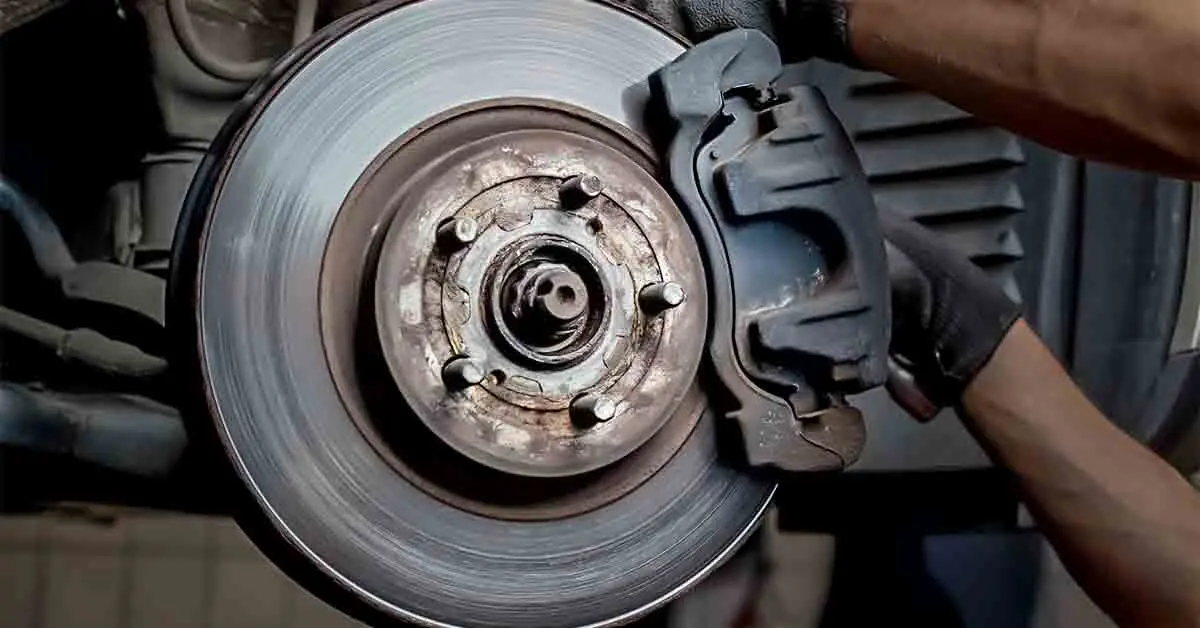
Brake pads are the parts that press against the brake rotor when you step on the brake pedal. This friction slows down the wheels and brings the vehicle to a safe stop. Every time you drive, the brake pads experience heat, pressure, and constant wear.
Good-quality pads are designed to handle these conditions while maintaining consistent braking performance. Low-quality products often use poor materials that cannot withstand high temperatures or repeated braking, leading to faster wear and reduced braking efficiency.
What Makes Cheap Brake Pads Different?
Not all brake pads are made with the same materials or manufacturing standards. Premium products go through strict quality testing to ensure reliable performance.
Budget options often reduce production costs by using lower-grade friction compounds and weaker backing plates.
Some low-cost pads may also skip proper heat treatment or quality inspections. This results in inconsistent braking, faster deterioration, and reduced durability.
While the purchase price is lower, the overall ownership cost can become much higher because of frequent replacements and additional brake system repairs.
Reasons Why Cheap Brake Pads Can Damage Your Car
1. Poor Stopping Performance Can Increase Accident Risk
One of the biggest problems with low-quality brake pads is reduced stopping power. During normal driving, the difference may seem small. However, in emergencies, every meter matters.
When you apply the brakes suddenly, the pads must generate enough friction to stop the vehicle quickly. Poor friction materials can reduce braking force, especially at higher speeds.
This increases braking distance and reduces driver confidence. Wet roads, steep hills, and heavy traffic make this problem even more dangerous because the brakes need to perform consistently under different driving conditions.
2. Cheap Brake Pads Wear Out Faster
Brake pads are wear items, but quality products are designed to last much longer than cheaper alternatives. Low-cost pads often wear unevenly because their friction material breaks down quickly under heat and pressure.
Faster wear means more frequent replacements, which increases labor costs and downtime. Uneven wear can also create vibration during braking, making the vehicle less comfortable to drive.
Regular inspections become even more important when low-quality parts are installed because unexpected wear can reduce braking safety without obvious warning signs.
3. They Can Damage Brake Rotors
Many drivers think only brake pads wear out, but poor-quality pads can also damage the brake rotors. Hard or uneven friction materials create excessive surface wear on the rotor.
Damaged rotors may develop grooves, scoring, or heat spots that reduce braking efficiency. In severe cases, warped rotors can cause steering wheel vibration while braking.
Rotor replacement is much more expensive than replacing brake pads alone, making cheap pads a costly decision over time.
4. Brake Fade Happens More Easily
Brake fade occurs when excessive heat reduces the braking system’s ability to create enough friction. This usually happens during repeated braking, mountain driving, or heavy traffic.
Premium brake pads are engineered to maintain stable friction even at high temperatures. Low-cost pads often lose effectiveness much sooner because the friction compound cannot handle heat properly.
As temperatures increase, the brake pedal may feel normal, but the vehicle takes longer to stop. This loss of braking performance can become a serious safety concern during demanding driving conditions.
5. Cheap Brake Pads Produce More Brake Dust
Brake dust is created as the brake pad material wears away during normal use. Although every brake pad produces some dust, lower-quality products usually create much more.
Excessive brake dust sticks to alloy wheels and may become difficult to remove if left for long periods. More importantly, high dust production often indicates faster brake pad wear.
Constant cleaning also increases car maintenance in Abu Dhabi, while excessive dust can affect the appearance of expensive wheels and brake components.
6. Cheap Materials Can Crack or Break
High-quality brake pads use strong bonding methods to securely attach the friction material to the backing plate. Lower-quality products may not meet the same manufacturing standards.
Extreme heat, repeated braking, or poor production quality can cause the friction material to crack or separate from the backing plate. This significantly reduces braking ability and creates a serious safety risk. Reliable manufacturers perform strength testing to reduce the possibility of such failures under real driving conditions.
7. More Heat Can Harm Other Brake Components
A properly designed brake system manages heat efficiently. Cheap brake pads often generate unnecessary heat because they do not transfer or dissipate thermal energy effectively.
Excess heat can affect several nearby components, including:
- Brake rotors: Higher temperatures increase the chance of warping.
- Brake calipers: Constant heat places additional stress on seals and moving parts.
- Brake fluid: Excessive heat may lower braking efficiency if the fluid begins to overheat.
- Wheel bearings: Continuous high temperatures can shorten bearing life over time.
Protecting the entire braking system starts with using quality friction materials.
8. Hidden Costs Make Cheap Brake Pads More Expensive
The lower purchase price often attracts buyers, but total ownership costs tell a different story. Replacing worn pads more frequently increases labor charges, while damaged rotors and additional repairs add even more expense.
Vehicle downtime also has a cost, especially for drivers who rely on their cars every day. Investing in better brake components usually reduces maintenance frequency, improves reliability, and provides better long-term value. Spending slightly more today can prevent much larger repair bills later.
Signs Your Brake Pads Need Immediate Attention
Drivers should never ignore changes in braking performance. Early warning signs help prevent expensive repairs and improve safety.
Watch for these common symptoms:
- Squealing or grinding noises while braking.
- Longer stopping distances than normal.
- Brake pedal vibration during braking.
- Vehicle pulling to one side when stopping.
- The brake warning light appears on the dashboard.
- Visible thin brake pads during inspection.
- Burning smell after heavy braking.
If any of these signs appear, have the braking system inspected by qualified technicians as soon as possible.
How to Choose Better Brake Pads?
Selecting the right brake pads involves more than comparing prices. Quality should always come first because the braking system directly affects driver and passenger safety.
When choosing replacement brake pads, consider these factors:
- Select products from trusted manufacturers.
- Use pads that match your vehicle’s specifications.
- Check for proper quality certifications.
- Choose friction materials suitable for your driving style.
- Have the pads installed by experienced technicians.
- Replace brake pads before they become excessively worn.
- Inspect the brake rotors whenever new pads are installed.
Professional installation also ensures correct bedding-in procedures, allowing the pads and rotors to develop an even contact surface for consistent braking.
Why Does Professional Brake Inspection Matter?
Even the best brake pads cannot perform well if other brake components are worn. Professional technicians inspect the complete braking system, including the rotors, calipers, brake fluid, hydraulic lines, and hardware.
They also measure brake pad thickness, check rotor condition, and identify uneven wear patterns that may point to other mechanical issues. Regular brake inspections improve safety, extend component life, and help detect problems before they become expensive repairs.
Preventive maintenance is always more affordable than fixing damage caused by neglected brake systems.
Conclusion
Choosing low-cost brake parts may seem like an easy way to save money, but the risks often outweigh the savings. Cheap brake pads can damage your car, and it becomes clear when you consider reduced stopping power, faster wear, rotor damage, excess heat, and higher repair costs.
Investing in quality brake components helps your vehicle stop safely, protects other parts of the braking system, and reduces long-term maintenance expenses. Safe braking is not an area where cutting costs is worth the risk.
If your vehicle needs a brake inspection, brake pad replacement, or complete brake system service, Exotic Auto Services is here to help.
Our experienced technicians use high-quality parts and professional repair methods to keep your braking system performing at its best, giving you greater confidence and safety on every journey.