Your vehicle’s brakes are one of its most important safety systems. Every time you slow down or stop, your brake pads help control the vehicle safely. Knowing when they need replacement can help you avoid costly repairs and reduce the risk of brake failure.
In the UAE, most vehicles need new brake pads every 30,000 km to 50,000 km, but the exact timing depends on your driving habits, road conditions, and the type of brake pads installed.
You should also replace them immediately if you notice warning signs such as squealing noises, grinding sounds, a brake warning light, reduced braking performance, or brake pad thickness below 3 mm.
Replacing worn brake pads at the right time keeps your braking system working properly and protects other brake components from damage.
Open Today · Same-Day Appointments Available
Need expert car repair in Abu Dhabi?
Our certified technicians handle all makes and models. Fast diagnosis, honest pricing, and quality you can trust.
✓ Free inspection
✓ 30-min callback
✓ Trusted by 1,000+ drivers
Or fill the contact form →
When Should You Replace Brake Pads?
Brake pads should be replaced as soon as they reach their wear limit or begin showing clear signs of reduced performance. While many vehicles in the UAE require replacement between 30,000 km and 50,000 km, mileage alone should not determine when you change them.
Harsh weather, frequent braking, and different driving habits can shorten their lifespan. If your brake pads become thinner than 3 mm, produce unusual noises, increase stopping distance, or trigger a dashboard brake warning, they should be replaced without delay to maintain safe and reliable braking.
Warning Signs Your Brake Pads Need Replacement
Brake pads usually provide several warning signs before they become completely worn out. Paying attention to these symptoms allows you to replace them early and avoid damage to expensive brake components.
If you notice any of the following signs, arrange a professional brake inspection as soon as possible.
1. High-Pitched Squealing or Screeching
A high-pitched squealing sound is often the first indication that your brake pads are becoming worn. Most modern brake pads include a small metal wear indicator that touches the brake rotor when the friction material becomes thin.
This creates a noticeable squealing noise every time the brakes are applied. Although moisture or dust can occasionally cause temporary brake noise, continuous squealing should never be ignored because it usually indicates that the brake pads are approaching the end of their service life.
2. Loud Grinding Noise
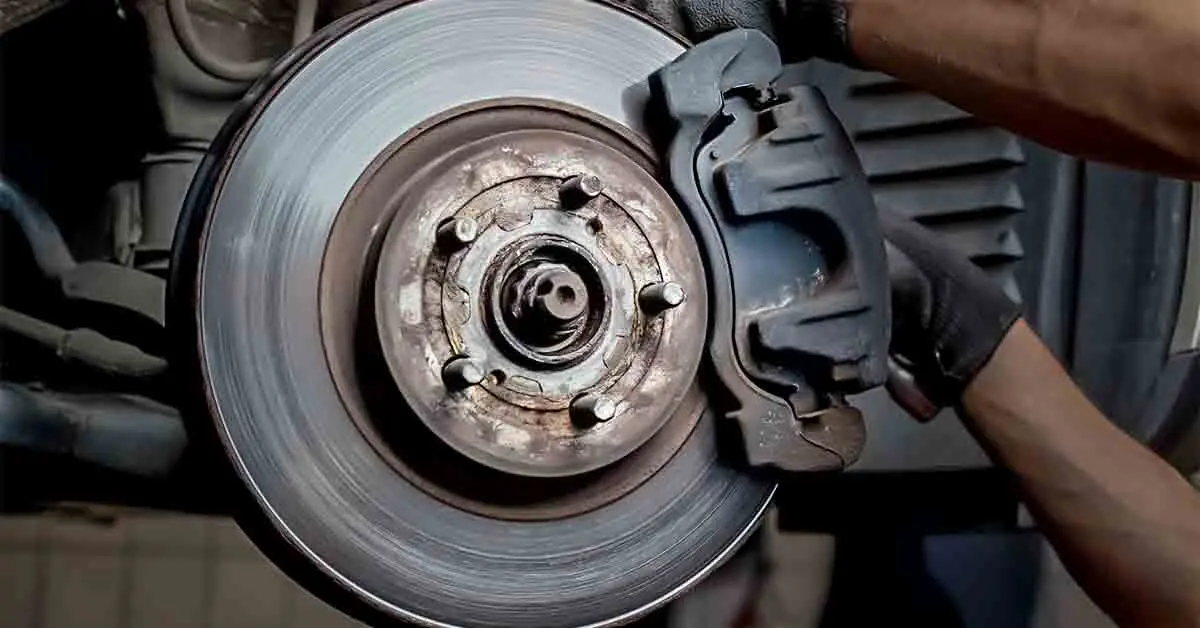
Grinding is a serious warning that requires immediate attention. This sound often means the friction material has worn away completely, allowing the metal backing plate to rub directly against the brake rotor.
Metal-to-metal contact quickly damages the rotor surface and may also affect the brake caliper. Delaying repairs can turn a simple brake pad replacement into a much more expensive brake system repair, making immediate inspection essential for both safety and cost savings.
3. Brake Pad Thickness Below 3 mm
A visual inspection is one of the simplest ways to check brake pad condition. Many vehicles allow you to see the brake pads through the wheel spokes using a flashlight. If the remaining friction material measures less than 3 mm, replacement should be scheduled immediately.
Thin brake pads produce less friction, reduce braking performance, and increase the likelihood of damaging the brake rotors. Regular inspections help detect this wear before braking performance becomes unsafe.
4. Brake Warning Light on the Dashboard
Many modern vehicles are equipped with electronic brake wear sensors that monitor brake pad condition. When the pads reach their wear limit, the system may illuminate a brake warning light or ABS warning light on the dashboard.
While these warning lights can indicate several brake-related issues, worn brake pads are one of the most common causes. A professional inspection is the safest way to determine the exact problem and restore proper braking performance.
5. Vibrations While Braking
If you feel vibrations through the brake pedal or steering wheel while slowing down, the braking system should be inspected. Uneven brake pad wear, overheated brake rotors, or warped rotor surfaces often create these vibrations.
As the brake pads contact an uneven rotor, braking becomes less smooth, and vehicle control may be affected. Early diagnosis helps identify whether the brake pads, rotors, or both components require attention before the problem becomes more severe.
6. Soft or Spongy Brake Pedal
The brake pedal should always feel firm and respond immediately when pressed. If it feels soft, spongy, or sinks closer to the floor than usual, your braking system may have worn brake pads, low brake fluid, or air trapped inside the hydraulic system.
Since all of these issues reduce braking performance, the vehicle should be inspected without delay. Prompt repairs help restore safe braking and prevent additional problems from developing.
7. Increased Stopping Distance
One of the clearest signs of worn brake pads is a longer stopping distance. If your vehicle takes more time to slow down or does not respond as quickly as it once did, the brake pads may have lost much of their friction material.
Reduced braking efficiency makes emergency stops more difficult and increases accident risk. Even without unusual noises, slower braking performance should always be professionally evaluated.
Why Brake Pads Wear Out Faster in the UAE?
Driving conditions in the UAE are much harder on brake components than in many other countries. High summer temperatures generate extra heat during braking, which speeds up brake pad wear.
Fine desert sand can enter the braking system and act like sandpaper, gradually wearing away the friction material. In busy cities such as Abu Dhabi, drivers also brake more often because of heavy traffic.
These combined conditions place additional stress on the braking system, making routine inspections and timely replacement much more important. Also, cheap brake pads can damage your car too. So, always choose high-quality brake pads.
How Brake Pads Work?
The braking system uses friction to slow down and stop your vehicle safely. Every time you press the brake pedal, several components work together to reduce wheel speed. Here’s how the process works:
Step 1: Pressing the Brake Pedal: When you press the brake pedal, force is applied to the brake system through hydraulic brake fluid.
Step 2: Hydraulic Pressure Builds: The brake fluid carries this pressure through brake lines to the brake calipers located near each wheel.
Step 3: Brake Calipers Activate: The brake calipers respond to the hydraulic pressure and move inward toward the brake rotors.
Step 4: Brake Pads Clamp the Rotor: The calipers push the brake pads firmly against the rotating brake rotors attached to the wheels.
Step 5: Friction Slows the Vehicle: The contact between the brake pads and rotors creates friction, which reduces wheel speed and gradually slows the vehicle.
Step 6: Heat Is Produced During Braking: The friction generated during braking converts the vehicle’s motion into heat energy, helping the car come to a stop.
Step 7: Brake Pads Wear Over Time: A small amount of friction material wears away each time the brakes are used. Over thousands of kilometres, the pads become thinner and eventually need replacement to maintain safe braking performance.
What Affects Brake Pad Lifespan?
Several factors determine how long brake pads last. Drivers who brake aggressively or regularly travel through heavy city traffic usually wear out their pads faster than those who drive mostly on highways.
Vehicle weight also matters because heavier vehicles require greater braking force. The quality and material of the brake pads play an important role as well.
Ceramic brake pads generally last longer than organic pads, while proper maintenance and regular brake inspections help maximize service life regardless of driving conditions.
What Happens If You Ignore Worn Brake Pads?
Ignoring worn brake pads can lead to much more than reduced braking performance. Once the friction material disappears, the metal backing plate damages the brake rotors, which are far more expensive to replace than brake pads.
Continued driving may also damage the brake calipers and increase repair costs even further. Longer stopping distances also reduce overall driving safety, especially in heavy traffic.
Replacing brake pads on time protects the entire braking system and helps avoid unnecessary expenses.
How Often Should You Inspect Your Brakes?
Regular brake inspections help identify wear before it becomes a serious safety concern. Most automotive experts recommend inspecting the braking system every 10,000 km or whenever your vehicle receives an engine oil service.
During the inspection, technicians measure brake pad thickness, examine the brake rotors, check brake fluid condition, inspect the calipers, and test overall braking performance.
These routine checks help detect minor wear early, reducing repair costs and improving vehicle safety throughout the year.
When Should You Visit a Brake Specialist?
Professional brake inspections should never be delayed when braking performance changes. If you hear unusual brake noises, notice vibrations, experience longer stopping distances, or see a brake warning light, a qualified technician should inspect the system immediately.
Professional workshops use specialized measuring tools and diagnostic equipment to assess brake pad thickness, rotor condition, hydraulic pressure, and caliper operation.
Early diagnosis ensures the correct repairs are completed before small problems become expensive brake system failures.
Conclusion
Your braking system works every time you drive, making regular maintenance essential for your safety. Knowing the early signs of brake wear allows you to fix small problems before they become major repairs.
In the UAE, brake pads generally need replacement every 30,000 km to 50,000 km, but they should always be replaced earlier if warning signs appear or the friction material becomes thinner than 3 mm.
Paying attention to unusual noises, warning lights, vibrations, and braking performance helps keep your vehicle safe while protecting expensive brake components. Regular inspections and timely maintenance are the best ways to ensure reliable braking in every driving condition.
If your vehicle needs a brake inspection or brake pad replacement, Exotic Auto Services is ready to help. Our experienced technicians carefully inspect your complete braking system, use high-quality replacement parts, and ensure your vehicle delivers safe, dependable braking performance for every journey.