02 555 5563
  Working hours: 9am - 7pm

Car Windshield Wipers: A Strategic Guide to Selecting and Maintaining Visibility under Extreme Conditions
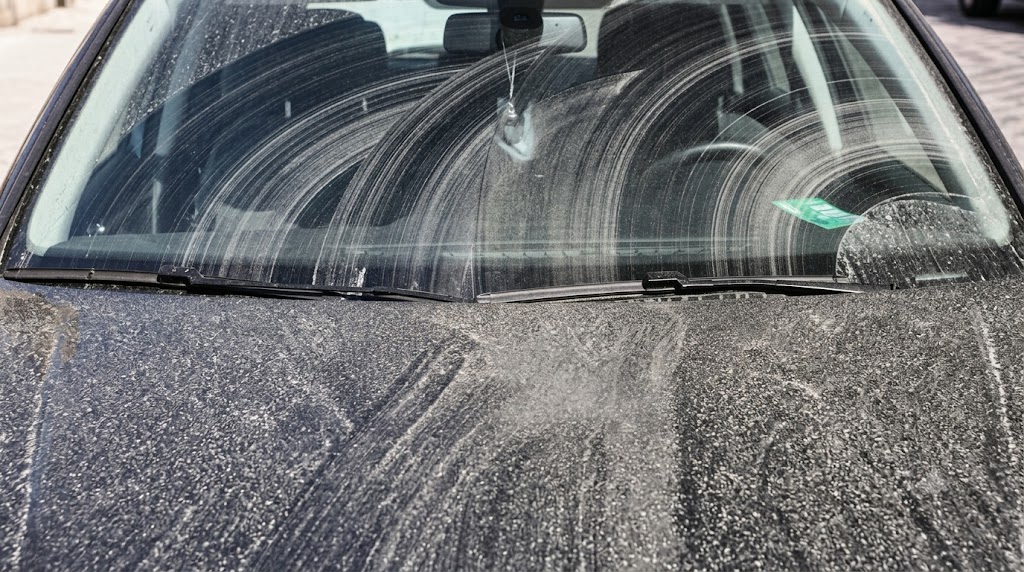
Keeping a clear view on the road is super important for safety—especially in tough climates where fine desert dust, strong UV rays, and sudden heavy rains always threaten your vehicle’s safety. Typically, car windshield wipers in hot areas last about six to twelve months, after which they really degrade and can’t clear the glass well anymore. By managing this maintenance cycle, you can stop permanent scratching on the glass and ensure you’ve got clear vision during tricky weather.
Why Damaged Car Windshield Wipers Are a Structural Liability
Windshield wipers are essential mechanical components that remove rain, dust, moisture, and other debris from both the front and rear glasses, ensuring a clear view of the road. In high heat, the extreme temperatures can weaken the blade’s structure, ruining its wiping edge and potentially leading to serious failure while you’re driving.
The Science of Thermal Material Degradation on Rubber Blades
Standard wiper blades mostly consist of organic rubber compounds. When left on a windshield in direct sunlight, the rubber can undergo thermal cross-linking degradation. This means the rubber loses its natural plasticizers, leading it to harden, lose flexibility, and turn brittle. Activated, these stiff blades won’t mold to the windshield’s curves, resulting in erratic skipping, chattering noises, and dangerous smearing of water across the glass.
How Abrasive Silica and UV Radiation Accelerate Blade Tearing
During daily drives, fine micro-silica sand and desert dust build up right along the wiping edge. When you turn on the wipers, this abrasive dust behaves like sandpaper, creating tiny grooves in the rubber edge. At the same time, intense UV rays break down the polymer chains in the blade, making it more likely to tear along those micro-grooves. So, turning on the wipers without clearing this debris can permanently score the automotive glass, leading to costly replacement bills.
Understanding Blade Length Variations: Driver Side vs. Passenger Side
When drivers wonder, “what windshield wipers fit my car?” They’re often surprised to find that most vehicles actually need two different blade sizes. Modern car designs typically use a longer blade on the driver’s side to maximize visibility directly in front of the steering wheel, while a shorter one goes on the passenger side to avoid collisions at the center or hitting the window frame. Using the wrong lengths can either overload the wiper motor or create dangerous blind spots in your view.
Hook Styles vs. Pin Replacements: Identifying Your Wiper Arm Connector
Beyond length, selecting the correct wiper arm attachment mechanism is critical to prevent the blade from flying off at high speeds. The table below outlines how common vehicle categories navigate these mechanical specifications:
Vehicle Type | Common Wiper Arm Connector Style | Standard Blade Construction | High-Heat Material Preference |
|---|---|---|---|
Standard Sedan | Traditional J-Hook (9x3mm or 9x4mm) | Conventional Framed Steel | Premium Natural Rubber with Graphite Coating |
Mid-Size / Large SUV | Top Button or Pinch Tab | Beam Blade (Tension Memory Arc) | Heavy-Duty Synthetic Silicone Polymers |
Luxury Sports Coupe | Side Pin (4.8mm or 6.3mm) or Slim Top | Aero Spoiler Integrated Beam | Dual-Shield Silicone with Hydrophobic Coating |
To find the exact fitment details for your specific model, cross-reference your vehicle’s manual with certified databases like the NHTSA Vehicle Safety Guidelines to ensure compliance with strict highway safety regulations.
The Dangers of Mineral Scale and Clogged Fluid Nozzles
A lot of automobile owners assume that utilizing straight tap water for their car windshield wipers is a cost-effective substitute for the specialized fluids. But our practical experience from hands-on workshops shows that this behavior produces serious damage to the system. Tap water contains a lot of dissolved minerals, such as calcium and magnesium carbonate. As the water rests in the engine compartment and heats up these minerals precipitate out and form a hard scale inside the fluid lines. This material causes quick clogging of the micro-sized washer fluid nozzles restricting the fluid delivery.
In summary, the key takeaway is that running plain water eventually burns out the electric fluid pump motor due to excessive backpressure, leaving you completely unable to clear a muddy windshield in an emergency.
Getting the right mix: Summer and winter methanol concentrations
If you want a crystal-clear windshield, you have to go beyond tap water and get a specialist, high-performance windshield washer fluid. These solutions use distilled water bases including specified amounts of methanol alcohol and slippery surfactants. The chemical formula varies according on the needs of the area:
Summer Formulations: Look for biodegradable surfactants that will dissolve baked-on organic proteins, bug splatters, and sticky, greasy road coatings.
Winter Formulations: High levels of methanol are included to lower the freezing point of the fluid to below -40C. This prevents the fluid reservoir from splitting, and allows ice to melt immediately on contact.
Comprehensive Wiper Motor and Linkage Diagnostic Assessments
When visibility fails, the issue can often stem from deep within the mechanical drive system rather than just the blade. At Exotic Auto Services, our master technicians do not just swap out blades; we perform complete structural diagnostics. We evaluate the electrical current draw of your wiper motor, check the mechanical pivot linkages for internal wear, and verify that the factory tension springs inside the wiper arms are applying the exact amount of downward pressure required for a clean wipe.
Premium OEM Material Fitting for High-End European and GCC Specs
High-end European and luxury GCC-spec vehicles feature advanced, integrated rain sensors and complex, heated washer fluid systems that require exact calibration. Exotic Auto Services stocks a superior assortment of OEM beam blades constructed from quality, high grade silicone polymers. Every swipe of these premium blades leaves a water-repellent, hydrophobic coating on your windshield. Our team manufactures your replacement blades to the exact aerodynamic specs of your automobile to maintain your safety systems working flawlessly under all driving circumstances.
Conclusion
Your vehicle’s wiper system is a critical safety feature that must be properly maintained on a regular basis to cope with the unpredictable conditions of driving. You may protect your windshield from being scratched and keep yourself safe on the road by switching from plain water to something else for your automobile windshield wipers, using the right blade connectors and being aware of material wear. Don’t wait for a sudden downpour or sandstorm to let you know your visibility is limited. Team up with the expert team at Exotic Auto Services and upgrade to high-performance, climate-proof silicone blades for a safe, clear and completely protected driving all year round.
Frequently Asked Questions (FAQ) for Car Windshield Wipers
Q: How often should you change your car windshield wipers in the GCC?
A: You should replace your blades every 6 months. The extreme summer heat and abrasive sand quickly dry out and crack the rubber edge, causing them to fail long before standard European or American replacement intervals.
Q: What windshield wipers fit my car if I drive a custom import?
A: You can determine the exact fit by measuring the blade lengths with a tape measure and identifying the arm connection style. Alternatively, provide your VIN to an expert team like Exotic Auto Services for an exact OEM match.
Is it safe to use pure tap water for car windshield wipers?
A: No. Tap water creates heavy calcium deposits that clog your spray nozzles, corrode the internal fluid pump components, and acts as a dangerous breeding ground for harmful bacteria like Legionella within the warm reservoir tank.
Q: Why are my new windshield wiper blades leaving spots on the glass?
A: Streaking is usually produced by road oil, wax or grime that collects on the edge of the blade or the glass itself. To remedy this, clean the rubber edge with rubbing alcohol and a microfiber cloth. And, scrape the windshield well.
Q: How to stop my wiper blades from melting when parked in direct sunlight?
A: If parked outside for long periods, remove the wiper arms from the glass. This stops the hot windshield glass from baking, warping and irreversibly distorting the sensitive rubber wiping edge.
Related Posts