02 555 5563
  Working hours: 9am - 7pm
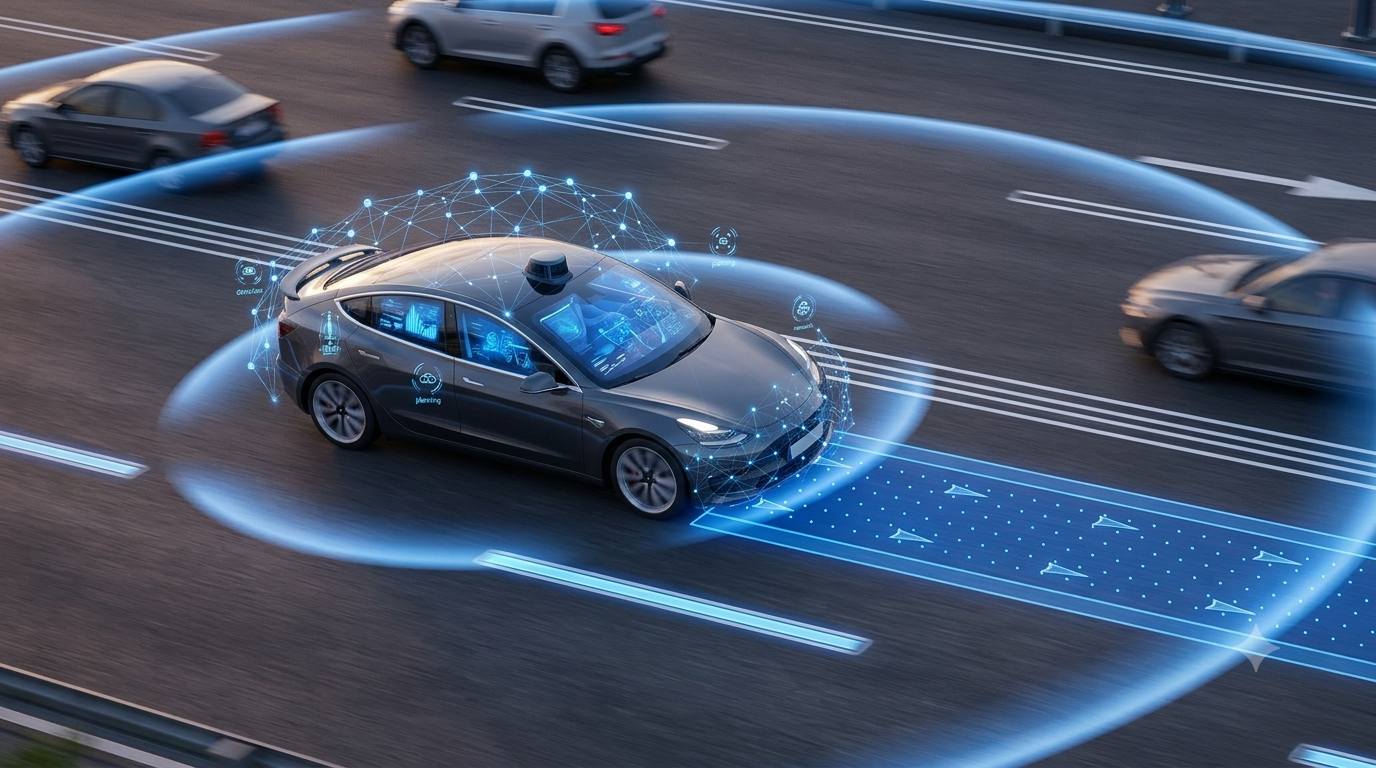
The Neural Network on Wheels: Analyzing Artificial Intelligence in Cars
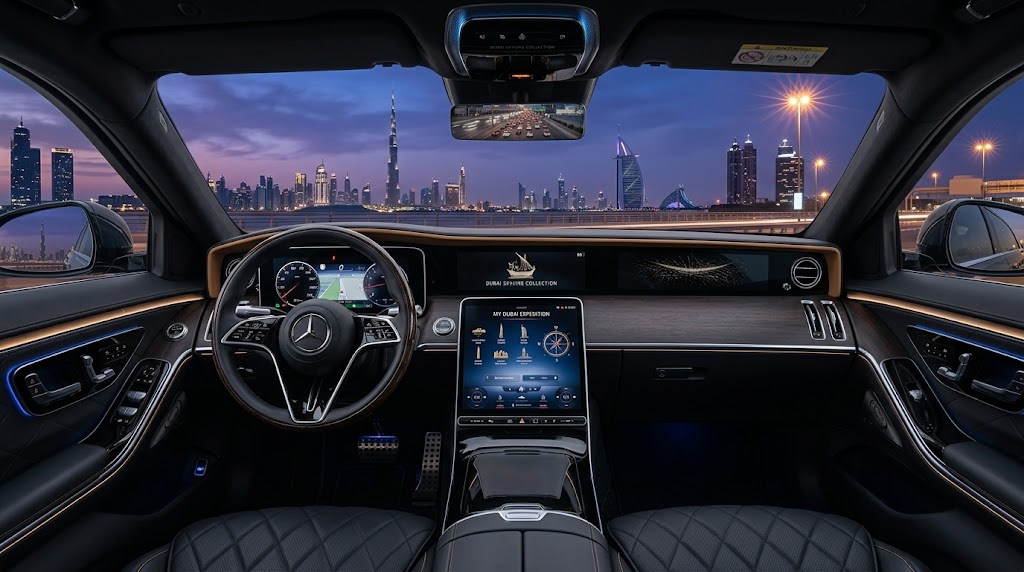
The premium car industry is experiencing a tremendous change, with AI-driven software architecture transforming today’s luxury vehicles into hyper-connected computer platforms. How AI is changing the way vehicles are being operated today Artificial Intelligence (AI) improves real-time performance, anticipates failures of mechanical components, and coordinates multi-sensor safety networks in real-time. With powerful deep learning models embedded directly into onboard modules, manufacturers are no longer simply building mechanical machines, they’re engineering adaptable digital ecosystems. The knowledge of this integration shows how computational intelligence takes vehicle lifespan, precision handling and workshop diagnostic methods to new heights for premium vehicle customers and automobile enthusiasts.
Artificial intelligence in vehicles involves the use of sophisticated machine learning techniques, convolutional computer vision systems, and high-performance neural network computers to sense, analyse, and optimize real-time vehicle operations. That software layer replaces static code with dynamic models that can adapt autonomous driving, calculate safety metrics on the edge, and anticipate component maintenance.
Edge Computing and Sensor Fusion: Managing Terabytes of Real-Time Telemetry
Today’s premium cars are mobile data centers. A central processing unit on board combines asynchronous telemetry data streaming from RADAR, LiDAR, high-definition optical cameras and ultrasonic sensors using sensor fusion algorithms. Instead of transmitting this large amount of information to cloud networks (which leads to hazardous delay), the car uses edge computing. Deep neural networks analyze gigabytes of environmental data each second right on the chassis. And it lets the automobile conduct split-second, safety-critical driving interventions based on worldwide technical standards set by SAE International.
Predictive Maintenance: Machine Learning Predicts Component Failure Before It Happens
Machine learning models continually assess operational data via CAN-bus multiplex telemetry rather than waiting for a warning light to flash in the instrument cluster. The technology develops an analytical baseline for the mechanical health by tracking the micro-vibrations in wheel bearings, subtle temperature anomalies in synthetic transmission fluid, and torque fluctuations in adaptive differentials. If a subsystem deviates from its ideal curve a little bit, the program predicts that a component is about to fail. This enables owners to replace an aged item before it causes subsequent mechanical damage or a breakdown.
Artificial Intelligence in Car Manufacturing The Smart Factory Revolution
Artificial intelligence has changed the rules of the game in the vehicle manufacturing industry. Today, on automobile assembly lines, smart cyber-physical networks produce stronger, safer, and structurally optimized high-performance sports vehicles.
Algorithmic Quality Control: Computer Vision on Production Lines
Fatigue and neglected micro-defects are common for traditional visual examination by workers in the production. Today’s premium production lines use ultra high resolution cameras combined with high speed convolutional neural networks. These computer-vision sets scan engine mounts, structural welds and composite panels to the millimeter as a chassis passes down the production line. AI immediately identifies minute paint flaws, hairline cracks in cast alloys or skewed tolerances. It guarantees that each car is manufactured to stringent international manufacturing standards, and in complete harmony.
Digital Twins And Generative Design: Improving Aerodynamics And Structural Rigidity
AI-driven generative design technologies produce the blueprint before a physical prototype ever crosses a production floor. Engineers input structural loads, weight limits and downforce objectives into an AI model. Then the system conducts millions of computational iterations and comes up with organic, complicated designs that optimize structural stiffness while reducing bulk. At the same time, a virtual “digital twin” of the vehicle is built in a simulation environment.This twin may be used by manufacturers to evaluate aerodynamic performance, thermal dissipation and long-term chassis stress under harsh virtual workloads, dramatically reducing physical engineering delays.
Managing AI-Driven Subsystems the Mechanical Realities of Complex Modern ECU Architectures
When combined with adaptive dampers, active torque vectoring and electronic steering help, artificial intelligence can no longer be serviced using simple mechanical means.
Diagnosing ADAS Networks and LiDAR Sensor Calibrations
In a contemporary, premium automobile, a simple mechanical change – for example, to the tire alignment, or repairing a broken front bumper – significantly alters the physical baseline of the car’s sensory apparatus. For example, a misalignment of even a fraction of a degree in a front-facing LiDAR sensor or a stereoscopic camera array causes all the spatial data in the Advanced Driver Assistance Systems (ADAS) network to be skewed. That little physical inaccuracy at highway speeds becomes a large computational error, leading the car to miscalculate safe stopping distances, or make unanticipated lane adjustments.
Why Advanced Lab Environments Matter for Software Bugs and Sensor Calibration
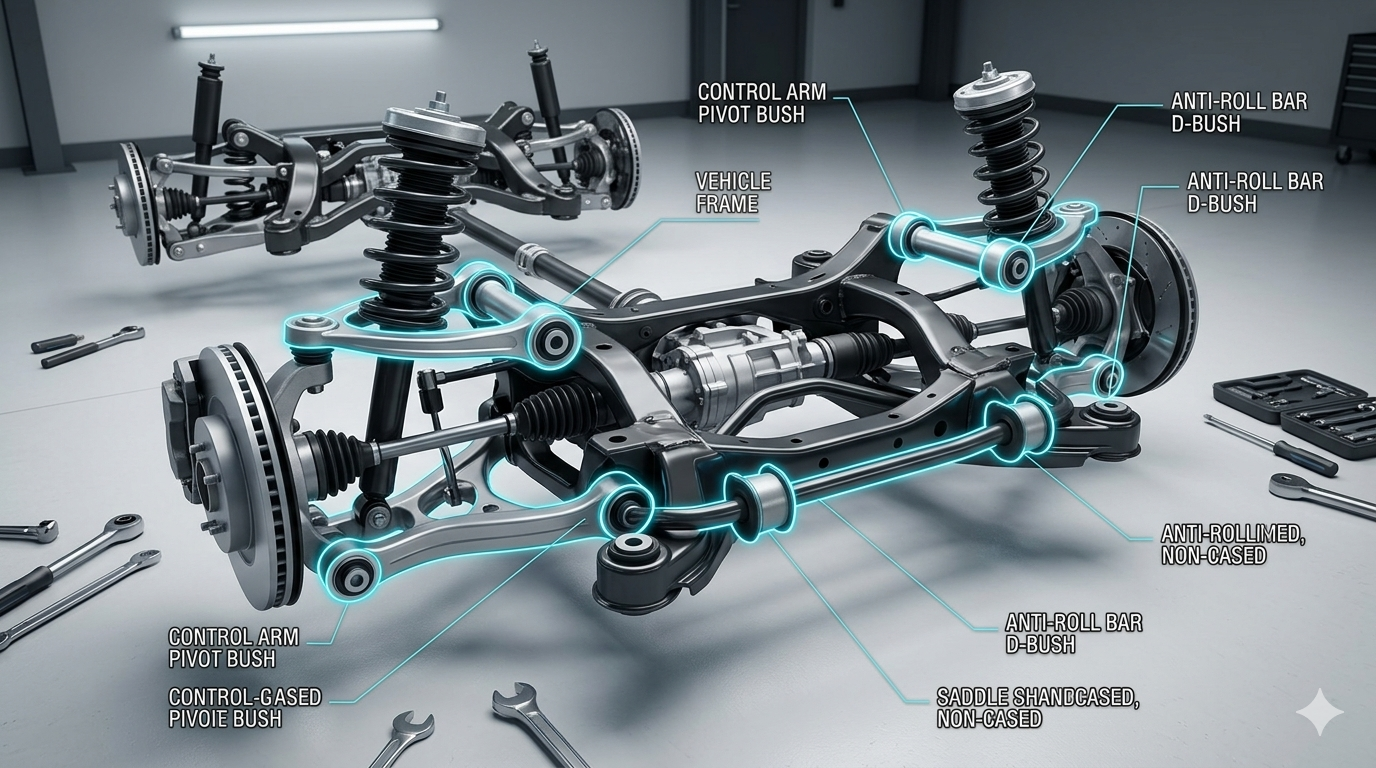
The work on these vehicles is done under the rigorous observance of first-person technical norms in specialist workshops. If you want to calibrate an AI-enabled sensor module, you need dedicated target boards, laser alignment jigs, and a clean, level floor surface free of electromagnetic interference. Specialized diagnostic connections must be used to hook into the associated electronic control unit (ECU) every time a physical suspension component is updated to re-flash and re-calibrate its software maps.
Any attempt to override this digital calibration results in might-bus network communication failures that might deactivate traction safety nets, or result in unstable handling.
Exotic Auto Services – Smart Vehicles Leading the charge
A hyper-complex, software-driven supercar needs a workshop that’s at the bleeding edge of digital diagnostics to keep it operating in optimal condition. The professional technicians at exoticautoservices.ae provide the exact, advanced technical care needed to repair sophisticated, linked contemporary automobiles.
The engineering team employs powerful computer network connections to perform full software flash audits rather than using conventional diagnostic readers. cleans deep layer defect records, optimises machine-learning diagnostic maps. Whether your car needs a detailed physical realignment of its Level 2+ autonomous sensors or a full calibration of its multi-camera safety array after an aesthetic alteration, the facility returns your automobile to its original factory baselines. They look at a car as a sophisticated mechanical mechanism and as a computer to make sure that your luxury asset gives you maximum performance and safety on every drive.
Conclusion
Cars with artificial intelligence have totally changed the connection between software and mechanical engineering. From the manufacturing floor, where generative design tools and computer vision maximize production, to the open road, neural networks now control how a car handles, rides and protects its passengers. Such complexity makes it critical to choose a forward-looking service partner to secure your vehicle investment. The expert technicians at Exotic Auto Services are trained to provide the highly specialized service your vehicle’s sophisticated processing networks and physical sensors need to maintain your high-performance driving experience accurately, safely, and perfectly.
Automotive AI Tech Frequently Asked Questions (FAQs)
Q: What is the role of artificial intelligence in everyday driving safety?
A: Leveraging sensor fusion, AI analyzes camera and radar inputs in real-time to enable ADAS networks to perform emergency braking, active lane-keeping and proactive collision avoidance actions in quicker time than human reactions.
Q: How can Artificial Intelligence contribute to car longevity in automotive manufacturing?
A: Artificial intelligence uses the generative design technique to build vehicles with maximum structural stiffness and algorithmic computer vision to find micro-errors in the car assembly process, reducing structural deficiencies and eradicating invisible manufacturing flaws.
Q: Will a regular repair shop be able to service a vehicle with an embedded AI diagnostic module?
A: No. Regular repair shops don’t have the laser alignment frames, target boards and advanced software flashing interfaces to correctly re-calibrate neural-network-linked sensors and complex ECU designs.
Q: How do environmental circumstances such as desert dust affect the sensors used by automotive AI algorithms?
A: Fine airborne dust and sand may coat optical camera lenses and LiDAR sensors, which may scatter the light beams and degrade data quality. The algorithms operate successfully only if the sensors are cleaned periodically and the housing is accurately calibrated.
Q: Can I update my AI-enabled automobile ECU software at exoticautoservices?
A: Yeah. The workshop does full software flash checks and detailed diagnostic mapping, making sure all proprietary ADAS networks, engine management maps and AI-powered chassis controls are updated and calibrated to factory standards.
Related Posts