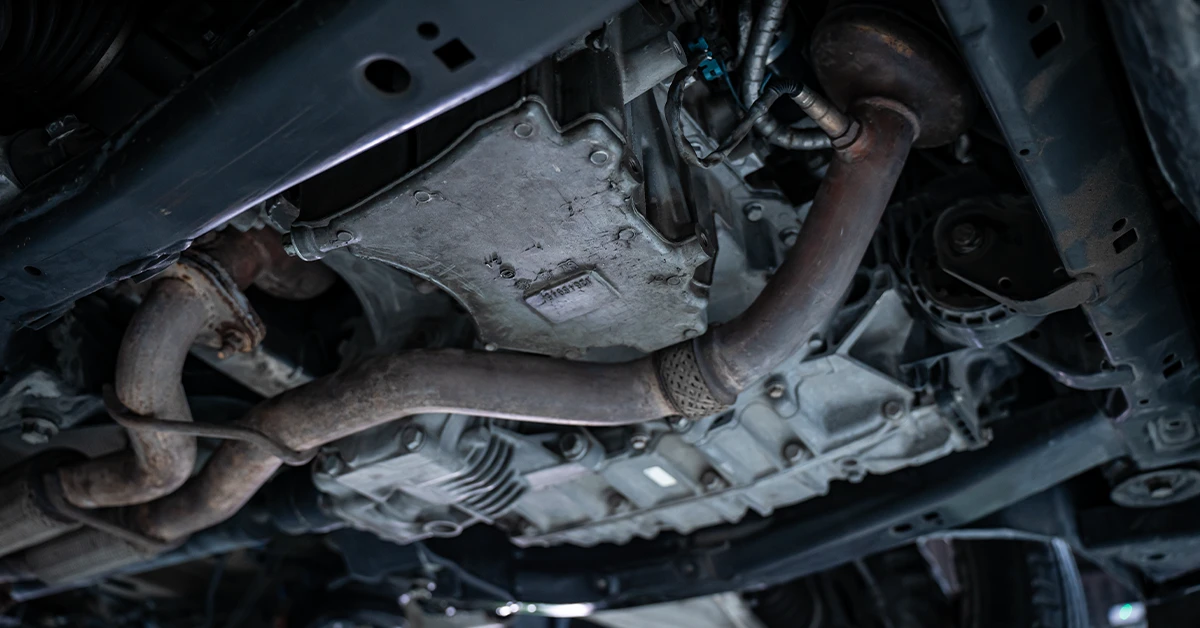
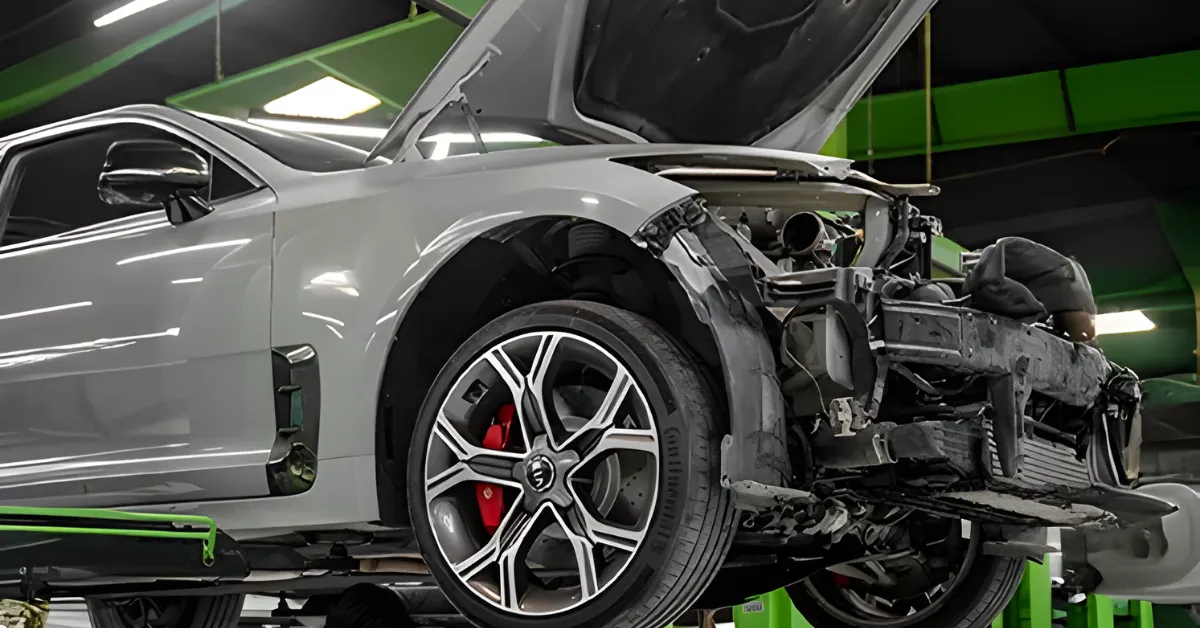
Your car’s transmission plays a key role in transferring power from the engine to the wheels. When it fails, driving becomes unsafe and costly to repair. Common transmission issues include slipping gears, rough shifting, fluid leaks, burning smells, grinding noises, warning lights, overheating, and strange sounds in neutral. Some drivers also face clutch problems and torque converter failure. These issues are often caused by low fluid, worn parts, or overheating. The good news is that most of them can be fixed with fluid changes, clutch replacements, and regular servicing.
Most Common Transmission Issues and Fixes
Here are the issues and fixes:
1. Slipping Gears
When your car’s gears slip, you might feel the engine revving but no power reaching the wheels. This often happens because of low transmission fluid, worn-out clutch plates, or a faulty torque converter.
Fix:
- Check and refill the transmission fluid to the proper level.
- Replace worn clutch plates.
- Have a mechanic inspect the torque converter if slipping continues.
- Regular maintenance and timely fluid changes can prevent slipping gears.
2. Delayed or Rough Shifting
If your car hesitates, jerks, or shifts hard between gears, it’s likely due to dirty fluid, low fluid levels, or a bad shift solenoid. These problems can cause uneven power delivery and reduce fuel efficiency.
Fix:
- Drain and replace old transmission fluid.
- Clean or replace the shift solenoid if it’s malfunctioning.
- Ensure the fluid filter is not clogged.
- Smooth gear changes depend on clean, well-lubricated parts.
3. Transmission Fluid Leaks
Transmission fluid leaks are easy to spot; look for red or brown puddles under your car. Leaks often occur due to worn seals, a cracked pan, or loose bolts. Driving with low fluid can lead to overheating.
Fix:
- Identify the leak source and tighten any loose bolts.
- Replace damaged gaskets or seals.
- Refill the fluid and monitor for further leaks.
- Quick transmission repairs help prevent overheating and internal damage.
4. Burning Smell from Transmission
A burning smell means your transmission fluid is overheated or too old to lubricate properly. This can happen from low fluid levels or heavy driving conditions.
Fix:
- Stop the car and let the transmission cool down.
- Check the fluid; if it looks dark or smells burnt, replace it.
- If the problem continues, have a mechanic check for internal wear or a clogged cooler.
- Regular fluid replacement keeps your transmission safe from heat damage.
5. Grinding or Shaking While Driving
Grinding or shaking during gear changes often means damaged gears, bad bearings, or a failing clutch. Ignoring this problem can make driving unsafe.
Fix:
- For manual cars, replace the clutch and inspect the flywheel.
- For automatic cars, perform a fluid flush and have a technician check the torque converter.
- Replace worn bearings if noise continues.
- These fixes restore smooth and quiet operation.
6. Warning Light on the Dashboard
A transmission or “Check Engine” light often signals low fluid, overheating, or electronic sensor issues. The light warns you before bigger problems appear.
Fix:
- Use a diagnostic scanner to read the error code.
- Refill low fluid levels and clear the warning light.
- Visit a mechanic if codes show solenoid or sensor issues.
- Never ignore warning lights; they’re early signs of bigger problems.
7. Strange Noises in Neutral
If you hear humming or clunking sounds in neutral, it may mean worn bearings, damaged gears, or dirty transmission fluid. This should be checked before the damage spreads.
Fix:
- Replace old or dirty transmission fluid.
- Have the bearings or internal gears inspected and repaired.
- Use high-quality fluid recommended by your car manufacturer.
- Fixing small noises early can prevent full transmission failure.
8. Transmission Overheating
Transmission overheating can cause slipping, hard shifting, and burning smells. It usually happens because of low fluid, a faulty cooler, or heavy towing.
Fix:
- Check and refill transmission fluid to the correct level.
- Clean or replace the transmission cooler.
- Avoid driving in heavy traffic or towing too much weight.
- Keeping your transmission cool prevents costly internal damage.
9. Clutch Problems (Manual Transmission)
In manual cars, worn clutch plates or stretched cables can cause slipping or hard gear changes. Poor clutch control can make gear shifting difficult.
Fix:
- Adjust or replace the clutch cable.
- Replace worn clutch discs and pressure plates.
- Avoid riding the clutch while driving.
- A well-maintained clutch ensures smooth, quick gear shifting.
10. Torque Converter Failure (Automatic Transmission)
A damaged torque converter can cause slipping, shaking, or overheating. It’s common in older automatic cars or vehicles with poor maintenance.
Fix:
- Flush and replace the transmission fluid.
- Replace the torque converter if the issue persists.
- Check for metal debris in the fluid, which indicates internal wear.
- Fixing the converter early prevents severe transmission damage.
Conclusion
Transmission problems can be stressful, but with early detection and proper maintenance, you can avoid major repairs. Common issues like slipping gears, leaks, rough shifting, overheating, and grinding noises all have clear solutions, from refilling fluid to replacing worn parts. Regular inspections and professional care keep your car safe and smooth on the road. Don’t wait for a breakdown. Get expert transmission repair services from Exotic Auto Services today and keep your car running like new.
 02 555 5563.