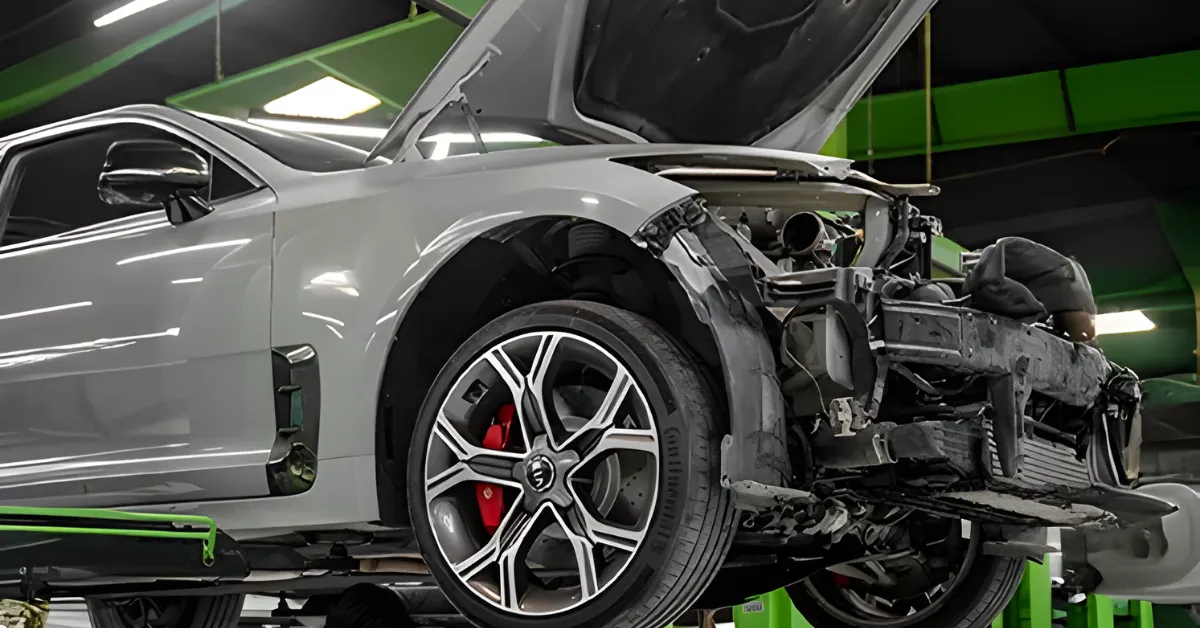
European cars are known for style, comfort, and strong performance. Like any vehicle, they are built to deliver reliable performance and can be maintained to keep running smoothly over time. If you notice strange sounds, loss of power, or warning lights, it may point to common faults that need quick care.
Some of the most common problems include oil leaks, overheating, ignition coil failure, and carbon build-up. Oil leaks can be fixed by replacing seals, while overheating often needs a new thermostat or coolant flush. Bad ignition coils can be changed easily, and carbon build-up can be cleaned with proper service. This guide will explain engine problems in European cars simply and clearly.
Most Common Engine Issues in European Cars
Some of the most common problems include oil leaks, overheating, ignition coil failure, and carbon build-up.
1. Oil Leaks in Engine Systems
Oil leaks are one of the most common issues in European cars. These cars use advanced engine designs, but small rubber seals and gaskets can wear out over time. When this happens, oil may drip from the engine, which you should never ignore. You might observe subtle cues, such as a light smell or spots beneath the car, that signal it’s time for a quick check.
How To Fix It?
Fixing this problem is usually simple. A mechanic can replace worn seals or gaskets. It is also important to check oil levels often and use the right oil type. Regular service helps prevent leaks and keeps the engine running smoothly for a long time.
2. Engine Overheating Problems
Engine overheating is another serious issue that many drivers face. This can happen when the cooling system is not working well. Parts like the radiator, water pump, or thermostat may fail, causing the engine to get too hot. If ignored, this can lead to major engine damage.
How To Fix It?
To fix overheating, first check the coolant level. If it is low, refill it with the correct type. A faulty thermostat or water pump may need replacement. Cleaning the radiator also helps improve cooling. Regular checks can stop this problem before it becomes costly.
3. Ignition Coil Failure
Ignition coils help start the engine by sending power to the spark plugs. In many European cars, these coils can wear out faster due to high engine heat. When this happens, the engine may misfire, lose power, or run rough. You may also see a check engine light.
How To Fix It?
The good news is that fixing this is not hard. Replacing faulty ignition coils can restore engine performance quickly. It is also a good idea to replace spark plugs at the same time. This keeps the engine running smoothly and avoids future issues.
4. Carbon Build-Up in the Engine
Carbon build-up is a common issue in modern European engines, especially those with direct fuel injection. Over time, carbon deposits form on intake valves and other parts. This can reduce engine power and fuel efficiency. Drivers may feel slow acceleration or rough idling.
How To Fix It?
Cleaning the engine is the best solution. A professional service can remove carbon using special tools or chemicals. In some cases, walnut blasting is used to clean the valves. Regular maintenance and using good-quality fuel can help reduce carbon build-up in the future.
5. Turbocharger Issues
Many European cars come with turbocharged engines for better power and fuel use. However, turbochargers can face problems if not maintained well. Lack of oil, dirty air filters, or worn parts can cause the turbo to fail. Signs include loss of power, smoke from the exhaust, or a whining noise.
How To Fix It?
To fix turbo issues, check the oil system first. Clean or replace air filters and ensure proper lubrication. If the turbo is damaged, it may need repair or replacement. Taking care of the turbo system helps keep engine performance strong and reliable.
6. Faulty Sensors and Warning Lights
Modern European cars use many sensors to control engine performance. Sometimes these sensors fail or send wrong signals. This can trigger warning lights on the dashboard and affect how the engine runs. Common sensors include oxygen sensors and mass airflow sensors.
How To Fix It?
Fixing sensor issues usually involves scanning the car with a diagnostic tool. This helps find the exact problem. Replacing the faulty sensor can solve the issue quickly. Keeping sensors clean and checking them during service can prevent sudden problems.
Conclusion
European cars offer a great driving experience, but engine problems can still happen if care is not taken. Issues like oil leaks, overheating, ignition coil failure, carbon build-up, and turbo trouble are common but can be fixed with proper service. Regular checks and timely repairs help avoid bigger damage and keep your car in top shape.
By understanding these faults and their solutions, you can take better care of your vehicle and enjoy smooth driving. Staying alert to warning signs and doing regular maintenance will make a big difference. This simple guide on engine problems in European cars gives you the knowledge to act early and save money.
If your car is showing any of these signs, do not wait. Visit Exotic Auto Services today and let experts take care of your vehicle with trusted and professional service.
 02 555 5563.